


What is Feline Sensory Enrichment?
Feline sensory enrichment is an environmental improvement method that stimulates a cat’s five senses (sight, hearing, smell, touch, and taste) to satisfy their instincts and reduce stress. Indoor cats are prone to behavioral issues and stress-related illnesses because they lack the sensory stimulation found in natural environments. Research indicates that providing appropriate environmental enrichment can reduce cortisol, the stress hormone in cats, by up to 78% (JFMS, 2019).
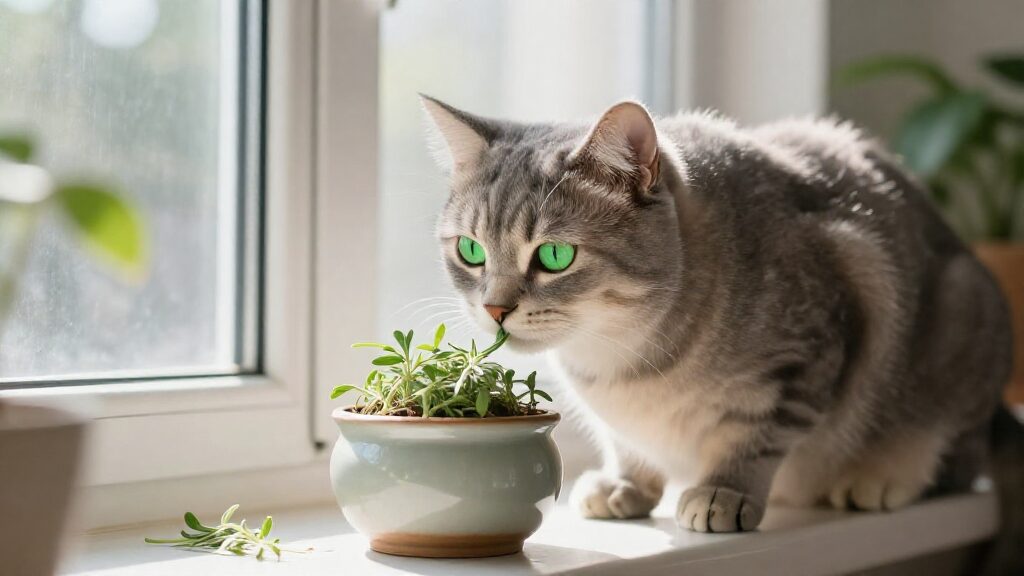
Visual Stimulation: How to Do It?
Window Watching and Moving Toys
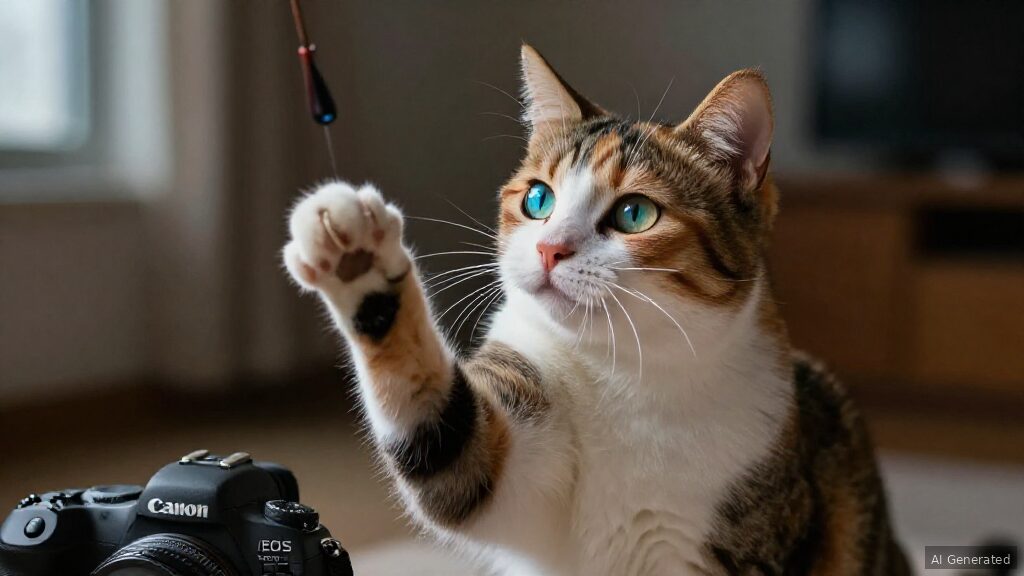
Visual stimulation is crucial for cats. Allowing them to observe birds or people outside the window, or using moving toys like laser pointers, can stimulate their hunting instincts. According to the ASPCA, cats that receive sufficient visual stimulation see a 60% reduction in boredom-related behavioral issues.
Using TV and Videos
Showing cat-specific TV channels or videos featuring bird sounds and moving fish is also a great method. Some PlayCat solid wood furniture products are designed with structures that allow cats to sit comfortably and observe the outdoors.
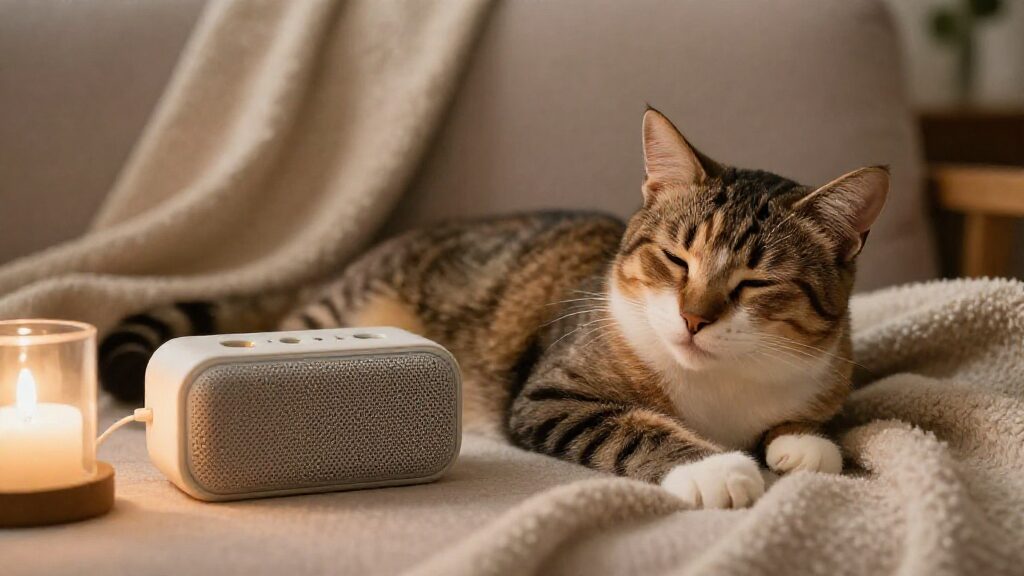
Olfactory Stimulation: Catnip and Herb Gardens
Catnip and Silvervine
Catnip (Nepeta cataria) is a plant that brings happiness to many cats. About 50-70% of cats react to the scent of catnip, and silvervine provides similar effects. These plants strongly stimulate a cat’s sense of smell, helping to reduce stress.
Hiding Treats
Hiding treats around the house encourages cats to search for them, stimulating both their sense of smell and exploration instincts simultaneously.

Auditory Stimulation: Nature Sounds and Music
Nature sounds, especially bird songs and flowing water, are highly engaging stimuli for cats. Research also suggests that classical music can be effective in reducing feline stress.
Tactile Stimulation: Experiencing Various Textures
Wood, Fabric, and Corrugated Cardboard
Cats experience tactile pleasure through various textures. It is recommended to provide furniture and toys made of different materials, such as wood, fabric, and corrugated cardboard. Playcat solid wood furniture helps provide these varied tactile experiences, aiding in tactile stimulation.
Gustatory Stimulation: Dietary Variety and Exploration
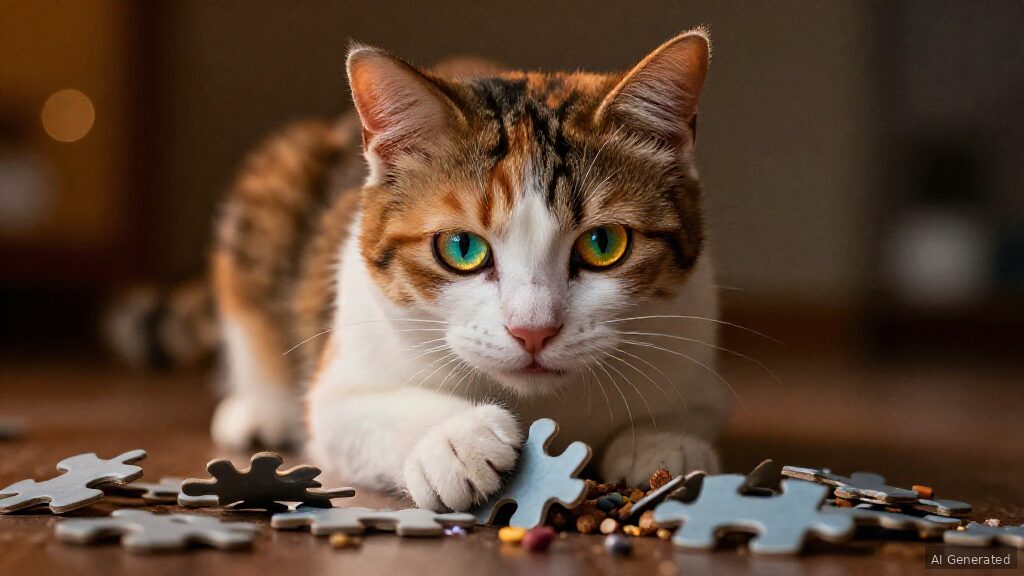
You can stimulate taste through a variety of treats and food puzzles. Activities that encourage cats to search for their food themselves satisfy their natural hunting instincts.
Sensory Enrichment Strategies by Age and Personality
| Age | Personality | Recommended Sensory Enrichment Methods |
|---|---|---|
| Kitten | Active | Moving toys, exploration of various textures |
| Adult Cat | Curious | Catnip, treat puzzles, window watching |
| Senior | Passive | Soft toys, relaxing music |
The Importance of Feline Sensory Enrichment
Sensory enrichment goes beyond mere entertainment; it is essential for maintaining a cat’s mental and physical health. Studies show that indoor cats are more likely to suffer from stress or health issues like obesity due to a lack of external stimulation. To prevent these problems, it is important to provide various sensory stimuli to improve the quality of life for cats.
Visual Stimulation: Environmental Changes and Exploration
Visual stimulation is effective in sparking a cat’s curiosity and reducing boredom. Setting up a spot near the window where they can watch birds or tree movements, or playing cat-specific video content, are good methods. Additionally, periodically changing the furniture arrangement provides a new visual environment that can capture a cat’s interest.
Auditory Stimulation: Diversity of Sounds
Cats react sensitively to various sounds. Playing nature sounds, such as birds chirping or water flowing, or playing music designed for cats, serves as excellent auditory stimulation. Research results indicate that specific sounds can reduce stress and provide a sense of security for cats.
Olfactory Stimulation: Scents and Exploration
Cats have a highly developed sense of smell and can be stimulated by various scents. Plants like catnip and silvervine contain special chemical components that bring happiness to cats, making them very effective for olfactory stimulation. You can stimulate a cat’s sense of smell by providing toys or treats that utilize these scents.
Gustatory Stimulation: Dietary Variety and Exploration
You can stimulate taste through a variety of treats and food puzzles. Activities that encourage cats to search for their food themselves satisfy their natural hunting instincts.
Periodic Management of Feline Sensory Enrichment
Sensory enrichment should not be a one-time event but requires continuous management. It is necessary to periodically provide new toys and treats and change the environment to maintain the cat’s interest. This greatly helps in reducing stress and maintaining a healthy lifestyle for the cat.
The Social Aspect of Feline Sensory Enrichment
Social interaction is also an important part of sensory enrichment for cats. Playtime with family members or interaction with other pets contributes to the cat’s emotional stability. These interactions help cats experience social experiences indoors that are similar to those they might encounter in the outside environment.
Cost-Effective Approaches to Sensory Enrichment
You don’t need to spend a lot of money on sensory enrichment. DIY toys made from household items or simple hiding games are cost-effective ways to stimulate a cat’s senses. The key is to provide consistent attention and various stimuli to your cat.
Example Weekly Sensory Enrichment Schedule
Monday: Provide catnip toys, ensure time for window watching
Tuesday: Hide-and-seek treat game, explore new sounds
Wednesday: Explore solid wood furniture and fabrics, experience new textures
Thursday: Play nature sound videos, enjoy music time
Friday: Provide various treats, play with food puzzles
FAQ: About Feline Sensory Enrichment
Why is catnip good for cats?
Catnip contains nepetalactone, a special chemical component that stimulates a cat’s sense of smell and induces feelings of happiness. About 50-70% of cats react to this component, which helps reduce stress and promotes playfulness.
Why is sensory enrichment necessary for indoor cats?
Indoor cats are prone to behavioral issues and stress-related illnesses because they lack the sensory stimulation found in natural environments. Sensory enrichment plays a crucial role in satisfying a cat’s instincts and reducing stress.
Is it okay to show TV or videos to cats?
Yes, cat-specific videos or videos featuring bird sounds and moving fish provide interesting visual stimulation for cats. This is effective in reducing boredom and providing mental stimulation.
How does solid wood furniture help cats?
Solid wood furniture provides cats with various tactile sensations and offers spaces to climb to high places to observe their surroundings. This contributes to tactile stimulation and visual environmental enrichment for cats.
What are some methods for olfactory stimulation for cats?
You can stimulate their sense of smell using plants like catnip and silvervine or various herbs. Additionally, hiding treats around the house is a good method to simultaneously stimulate their sense of smell and exploration instincts.
This content was created using AI technology. Please consult a veterinarian for any medical-related information.