


Feeding Enrichment is a behavioral enrichment strategy that transforms a dog’s mealtime from a simple act of nutrition into a time of cognitive challenge and enjoyment. While wild canids spend up to 80% of their day foraging for food, the average pet dog finishes a meal in just 2–3 minutes. Filling this vast cognitive gap is the core purpose of feeding enrichment.
Why You Should Ditch the Bowl
The “Ditch the Bowl” movement is a concept advocated by leading global pet behavior experts. It involves distributing a dog’s meals through puzzles, nosework, and training rewards to stimulate their brain throughout the day.
Problems with bowl feeding:
– Overeating: Eating too quickly causes dogs to overconsume before their satiety signals kick in.
– Lack of cognitive stimulation: Since no effort is required to obtain food, the brain receives no stimulation.
– Gastrointestinal issues: Rapid eating increases the risk of vomiting, regurgitation, and gastric dilatation-volvulus (GDV) in large breeds.
– Behavioral issues: Energy and urges not released during mealtime can manifest as destructive behaviors.
Complete Guide to Slow Feeders
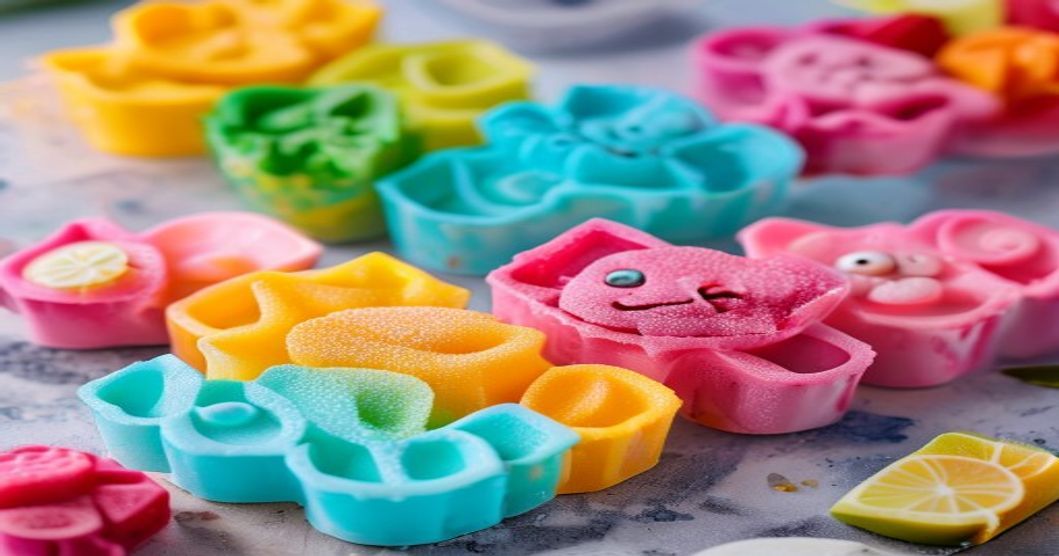
Slow feeders are the most basic feeding enrichment tools, extending mealtime by 5 to 10 times.
Maze-style Slow Feeders
These bowls feature intricate grooves where kibble gets stuck, requiring the dog to use their tongue and nose to extract it. They can extend a 2–3 minute meal to 15–20 minutes.
Bump-style Slow Feeders
These bowls have raised bumps inside that disperse the kibble. With a relatively low difficulty level, they are ideal for beginners to slow feeding.
Selection Criteria:
– Appropriate size for your dog’s breed (depth the nose can reach)
– Shallow and wide designs for brachycephalic breeds (e.g., Bulldogs, Pugs)
– Easy-to-clean materials (dishwasher safe)
– Non-slip rubber base
Lick Mats: The Soothing Power of Licking
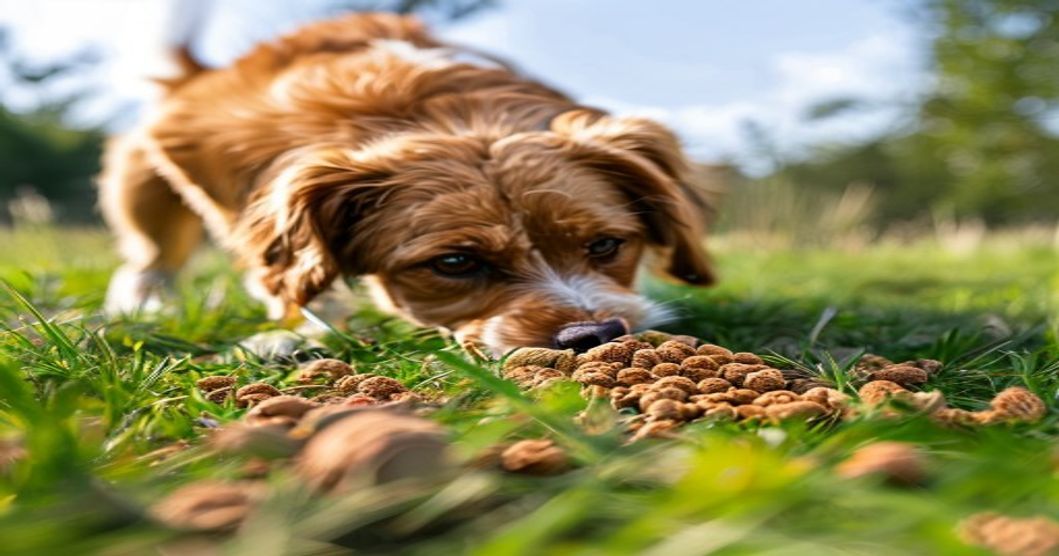
Lick mats are tools designed with grooves on a silicone surface, allowing you to spread wet treats so dogs can lick them off.
Scientific benefits of licking behavior:
– Endorphin release: Repetitive licking motions promote the release of “happy hormones.”
– Cortisol reduction: Studies show that stress levels significantly decrease after using a lick mat.
– Improved focus: Dogs concentrate for 10–20 minutes licking treats out of the mat’s grooves.
– Better digestion: Slower eating and increased saliva production aid digestion.
Lick Mat Recipes:
– Basic: Unsweetened yogurt + mashed banana
– Advanced: Wet food + pumpkin puree + blueberries
– Frozen: Freeze the above recipes to extend enjoyment time by 2–3 times
– Summer special: Frozen chicken broth popsicles
– Calming: Chamomile tea + yogurt (consult your vet first)
Warning: Never use grapes, xylitol, chocolate, onions, or garlic.
Turn Meals into Training
By using a portion of your dog’s daily kibble as training rewards, you can combine mealtime with training sessions.
– 1/3 of morning kibble → Basic obedience training (sit, wait, down)
– 1/3 of lunch kibble → Nosework (hiding food around the house)
– 1/3 of dinner kibble → Puzzle toys (Kong, slow feeder)
This method prevents overfeeding while providing cognitive stimulation throughout the day.
DIY Feeding Enrichment Ideas
1. Towel Roll: Sprinkle kibble on a towel and roll it up. Your dog will use their nose and paws to unroll the towel and find the food.
2. Egg Carton Puzzle: Place kibble in each compartment of an egg carton and cover with tennis balls or paper.
3. PET Bottle Feeder: Poke holes in the sides of a clean PET bottle large enough for kibble to fall out. Roll it to dispense food.
4. Muffin Tin Puzzle: Place kibble in a muffin tin and cover each cup with a ball or toy.
5. Ice Puzzle: Fill a large container with kibble and treats, add water, and freeze. This creates a refreshing summer enrichment activity.
Frequently Asked Questions (FAQ)
Q1: Won’t my dog get hungry if I use a slow feeder?
No, because you are providing the same amount of food; only the eating time is extended. In fact, eating slowly allows satiety signals to reach the brain properly, preventing overeating and improving digestion.
Q2: How often should I clean a lick mat?
Ideally, clean it after every use. Most silicone lick mats are dishwasher safe. To prevent bacterial growth, rinse with water immediately after use if you cannot wash it right away.
Q3: Which feeding enrichment method is the most effective?
Don’t stick to just one method; rotation is key. For example, use a Kong on Monday, nosework on Tuesday, a slow feeder on Wednesday, and a lick mat on Thursday… Providing a different method daily keeps your dog from getting bored and ensures continuous cognitive stimulation.