


Separation anxiety is one of the most common behavioral issues in dogs, characterized by extreme anxiety and fear when separated from their owner. According to the American Veterinary Society of Animal Behavior (AVSAB), approximately 20–40% of dogs experience some degree of separation anxiety, which can seriously impact both the owner’s daily life and the dog’s well-being.
Understanding the Causes and Symptoms of Separation Anxiety
Separation anxiety is not simply a matter of ‘bad behavior’; it is genuine emotional distress caused by the activation of the brain’s fear circuitry. Major causes include:
– Lack of early socialization: Puppies that haven’t had enough experience being alone have a low tolerance for separation.
– Environmental changes: Moving, changes in family members, or alterations in the owner’s work schedule.
– Trauma: Experiences such as abandonment, shelter stays, or being left alone for extended periods.
– Excessive attachment: A lifestyle where the dog is constantly with the owner.
Key symptoms of separation anxiety:
– Anxious behaviors before the owner leaves (following, panting, trembling)
– Excessive barking, howling, or whining when alone
– Destructive behavior targeting doors, furniture, or floors
– Indoor elimination (in dogs that were previously house-trained)
– Loss of appetite (even refusing treats when alone)
– Self-harming behaviors (excessive licking of paws, chewing on the tail)
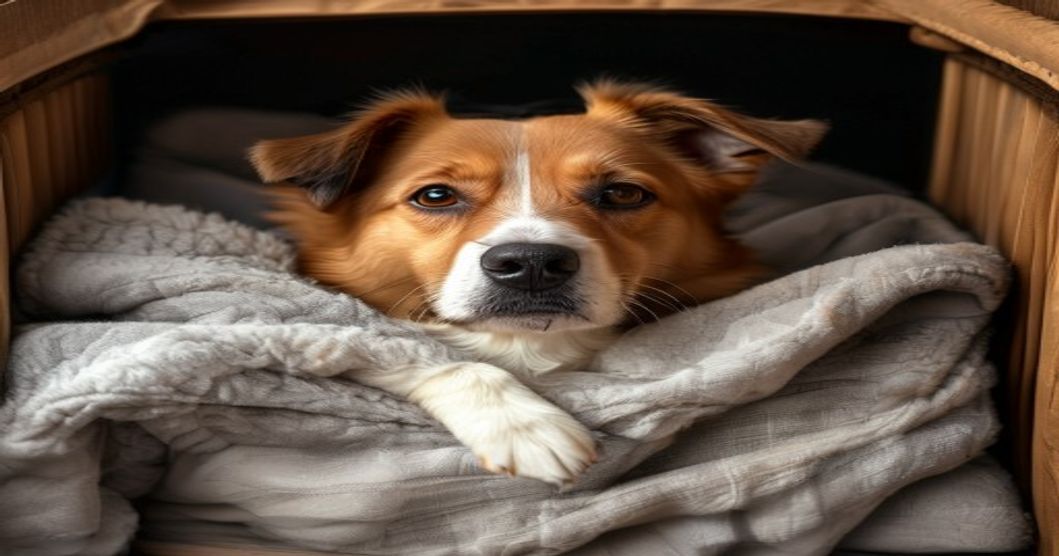
Environmental Design: Creating a Safe Space
The first step in alleviating separation anxiety is to create a ‘safe haven’ for your dog.
1. Establish a Safe Zone
Set up a crate or playpen in the area where your dog feels most comfortable. This space should never be used for punishment and should only be associated with positive experiences (treats, special toys). Crate training should be done gradually:
– Week 1: Offer treats inside the crate with the door open.
– Week 2: Close the door briefly, then open it (30 seconds → 1 minute → 5 minutes).
– Week 3: Move out of sight but stay in the same room.
– Week 4: Move to another room (5 minutes → 15 minutes → 30 minutes).
2. Manage Ambient Sound
Complete silence when alone can worsen anxiety. Playing classical music, dog-specific music (such as Through a Dog’s Ear), or leaving the TV/radio on can mask environmental noises and provide a comforting background. Research from the University of York found that reggae and soft rock music were most effective at reducing stress in shelter dogs.
3. Provide Visual Stimulation
Place cushions by the window to allow your dog to observe the outdoors, or conversely, close the curtains if external stimuli trigger anxiety. Observe your dog’s reaction to choose the best approach.
Behavioral Enrichment: Enjoyable Activities for Alone Time
The most effective enrichment strategy for reducing separation anxiety is to create an association where ‘alone time = special reward’.
1. Frozen Kong Routine
Provide a frozen Kong 15 minutes before leaving. A Kong filled with wet food, banana, and yogurt and then frozen can keep your dog engaged for 20–40 minutes. Crucially, this special treat should only be given when you leave, helping your dog view your departure as a positive event.
2. Long-Lasting Chew Toys
Offer long-lasting chews such as Himalayan cheese sticks, beef tendons, or bully sticks. Chewing promotes serotonin release, producing a natural calming effect.
3. Automatic Feeders and Timer Toys
Set an automatic feeder with a timer to dispense treats during your absence. This builds anticipation and makes time pass more quickly for your dog.
4. Hide-and-Seek Treats
Before leaving, hide treats around the house. This encourages your dog to focus on a treasure hunt after you’ve gone.
Gradual Separation Training Protocol
If environmental design and enrichment alone are not enough, a structured separation training program is necessary.
1. Desensitize Pre-Departure Cues: Repeatedly perform actions like jingling keys or packing your bag without actually leaving, to reduce their significance as ‘departure signals’.
2. Calm Departures and Arrivals: Avoid excited greetings when leaving or returning. Wait 5–10 minutes before calmly acknowledging your dog.
3. Gradually Increase Alone Time: Slowly extend the duration of alone time from 30 seconds → 1 minute → 5 minutes → 15 minutes → 30 minutes → 1 hour.
4. Monitor via Camera: Use a pet camera to observe your dog’s behavior while alone and assess their anxiety level.
Severe separation anxiety may require consultation with a board-certified veterinary behaviorist (DACVB), and in some cases, a combination of anti-anxiety medication and behavior modification may be recommended.
Frequently Asked Questions (FAQ)
Q1: Will having two dogs solve separation anxiety?
Not necessarily. Since separation anxiety stems from excessive attachment to the owner, the presence of another dog may not prevent anxiety when the owner is away. However, for some dogs, a companion can be helpful. Consult a veterinary behaviorist before making a decision.
Q2: How long does separation anxiety training take?
It varies greatly by individual. Mild cases may take 4–8 weeks, moderate cases 3–6 months, and severe cases over 6 months. Consistent training and environmental management are key, and it’s important to adjust the pace to suit your dog.
Q3: Won’t crating make separation anxiety worse?
For a dog properly crate-trained, the crate becomes a safe sanctuary. However, suddenly confining a dog without prior training can intensify fear and anxiety. Always implement gradual crate training first, and only use the crate once your dog voluntarily seeks it out.