


What is Cat Social Enrichment?
Cat social enrichment refers to creating an environment that reduces stress, strengthens bonds, and improves overall quality of life by allowing cats to engage in natural social behaviors. This plays a crucial role not only in improving relationships between cats in multi-cat households but also in strengthening the bond between the cat and the owner in single-person households.
How Do Cats Communicate?
The Role of Scent
Cats mark their territory and establish relationships with other cats through their scent. This is a vital method for cats to recognize each other and feel secure.
Body Language and Vocalizations
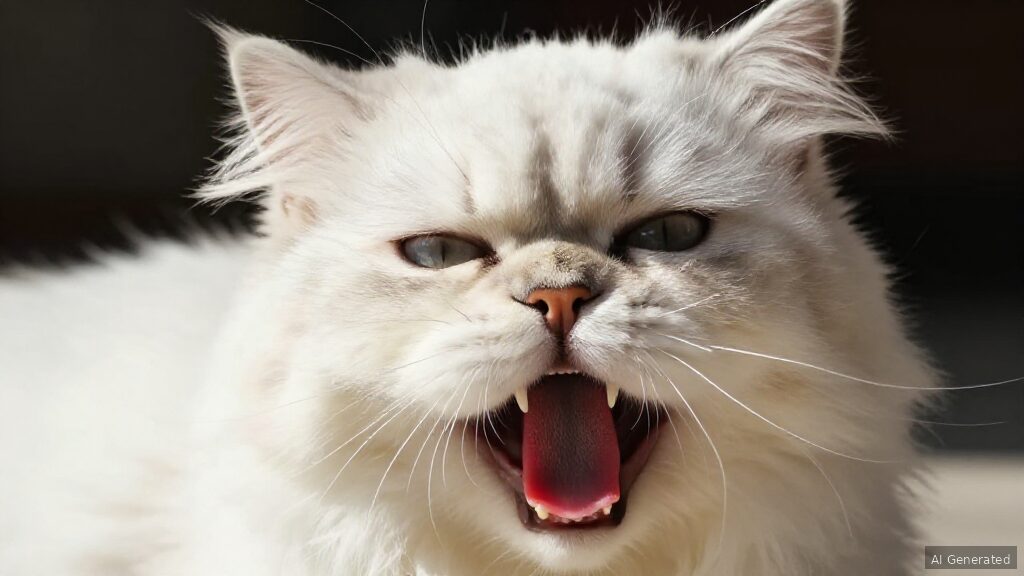
Cats convey their emotions and intentions through various body language cues (e.g., ear position, tail movement) and vocalizations (e.g., meowing, growling). Understanding these social signals is essential for interpreting cat interactions.

Strategies for Introducing Cats in Multi-Cat Households
In multi-cat households, introducing a new cat requires a gradual approach. First, keep the new cat in a separate room to help them get accustomed to the scent, then allow them to see each other for short periods. Signs of success include a lack of aversion to each other’s scent and playful behavior. Signs of failure include aggressive behavior or persistent hiding.
Ways to Strengthen the Human-Cat Bond
Owners can increase interaction through play sessions and build trust through regular grooming. Additionally, naturally increasing the time the cat spends with the owner helps strengthen the bond.
Social Stress Signs and Intervention Methods
When cats experience social stress, they may show signs such as excessive grooming, loss of appetite, or hiding. In such situations, it is important to adjust the environment so that each cat has its own space and to use PlayCat furniture to provide safe areas.
Social Differences by Age and Personality
| Age | Social Characteristics |
|---|---|
| Kitten | Curious and learns social skills through play |
| Adult | Adapts to established social structures; cautious in new environments |
| Senior | Sensitive to change; prefers a stable environment |
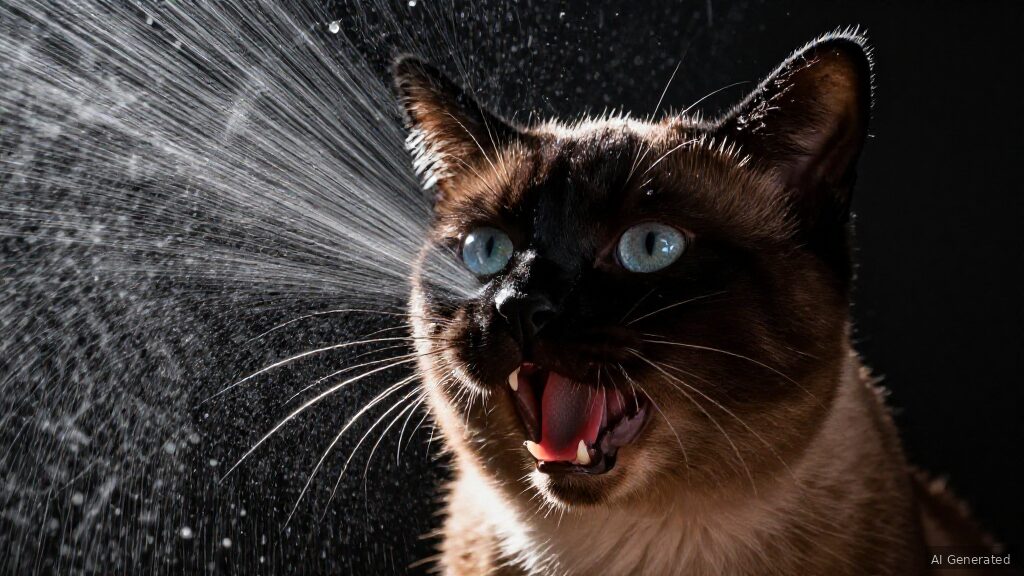
Social Enrichment for Single-Person Households
For cats living alone, owners can meet their social needs through regular playtime. It is also important to provide an environment that keeps the cat interested even when they are alone. PlayCat furniture is highly effective in creating such an environment.
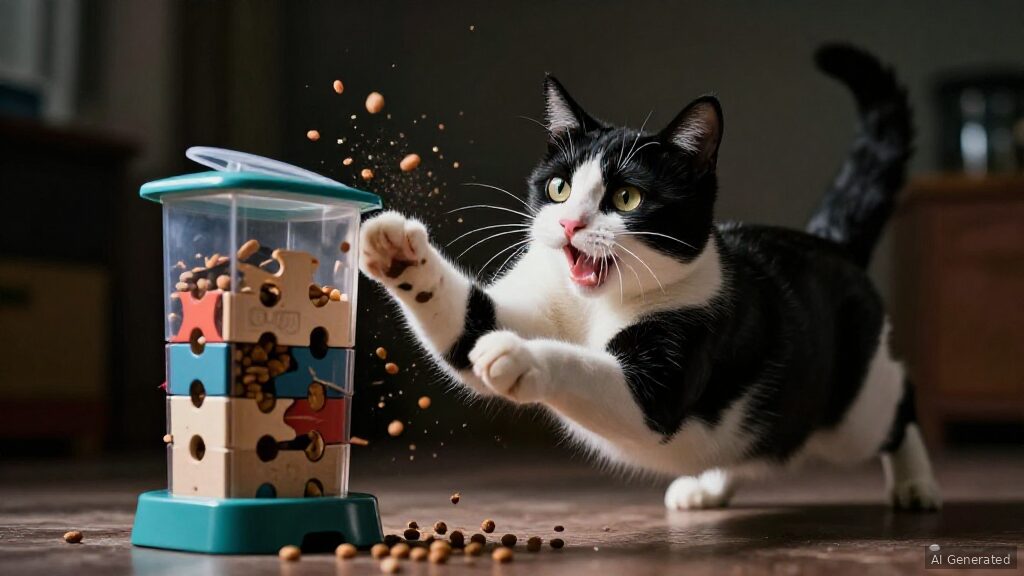
Social Space Separation Using PlayCat Furniture
PlayCat furniture helps cats establish their own territories. This allows each cat in a multi-cat household to secure a safe space, significantly reducing stress and improving social relationships.
Q. What should I be careful about when introducing a new cat to a multi-cat household?
A. Introducing a new cat requires a gradual approach. It is important to let them get used to the scent in a separate space first and then gradually introduce them to each other’s presence.
Q. What are the signs of social stress in cats?
A. Signs include excessive grooming, loss of appetite, and hiding. If these signs appear, you should adjust the environment to ensure each cat has its own space.
Q. How can I strengthen the bond with my cat?
A. Regular play sessions, grooming, and increasing the time spent together help strengthen the bond.
Q. What role does PlayCat furniture play?
A. PlayCat furniture helps cats secure their own territories and reduces stress by providing safe spaces.
Q. How does cat sociability differ by age?
A. Kittens are curious and learn social skills through play, while adult cats adapt to established social structures. Seniors are sensitive to change and prefer a stable environment.
The Importance of Cat Social Enrichment
Social enrichment plays a vital role in a cat’s mental and emotional health. Studies show that cats lacking environmental enrichment are more likely to experience higher stress levels and behavioral issues. Therefore, it is important to diversify the cat’s environment.
Methods for Cat Social Enrichment
- Environmental Enrichment: Provide various toys, scratching posts, and high spaces to stimulate curiosity and keep cats active.
- Regular Playtime: Regular play sessions with the owner strengthen the bond and help cats gain confidence through social interaction.
- Providing Diverse Stimuli: Offer new toys or play environments to capture the cat’s attention and provide mental stimulation.
Social Stress Signs and Intervention Methods in Cats
When cats experience social stress, they may show signs such as excessive grooming, loss of appetite, or hiding. In such situations, it is important to adjust the environment so that each cat has its own space and to use PlayCat furniture to provide safe areas.
Social Enrichment in Multi-Cat Households
In multi-cat households, it is important to ensure each cat has its own territory. PlayCat furniture helps each cat secure its own space, which significantly reduces stress between cats and improves social relationships.
Stages of Cat Social Development
| Developmental Stage | Social Characteristics |
|---|---|
| Infancy (Kitten) | Learning social skills, interacting through play |
| Adolescence | Testing social boundaries, forming relationships with peers |
| Adulthood | Establishing social structure, defending territory |
| Seniority | Decreased social needs, preference for a stable environment |
Strengthening the Bond Between Cats and Humans
To strengthen the bond with your cat, it is important to engage in regular play sessions, grooming, and naturally increase the time spent together. Research shows that physical contact provides cats with a sense of security and helps reduce stress.
This content was created using AI technology. Please consult a veterinarian for any medical-related information.