


What is Cat Environmental Enrichment?
Cat environmental enrichment is a method of improving the environment to satisfy a cat’s instinctual behaviors and psychological needs within an indoor space. According to the ASPCA (American Society for the Prevention of Cruelty to Animals), environmental enrichment is effective in reducing stress and preventing behavioral problems, thereby improving the overall welfare of cats.
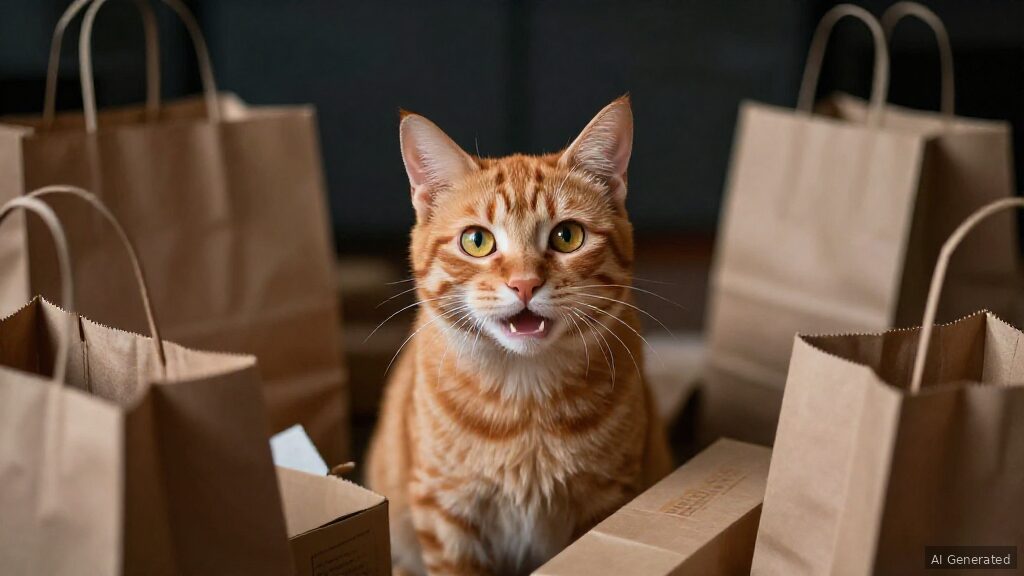
5 Areas of Environmental Enrichment and Their Roles
| Area | Role | Practical Examples |
|---|---|---|
| Sensory Enrichment | Provide diverse smell and sound stimuli | New toys, playing music |
| Cognitive Enrichment | Strengthen problem-solving abilities | Using puzzle feeders |
| Social Enrichment | Promote social interaction | Playtime with other cats or people |
| Food Enrichment | Stimulate hunting instincts | Hide-and-seek snack games |
| Environmental Enrichment | Provide diverse spaces | Installing cat towers and hiding spots |
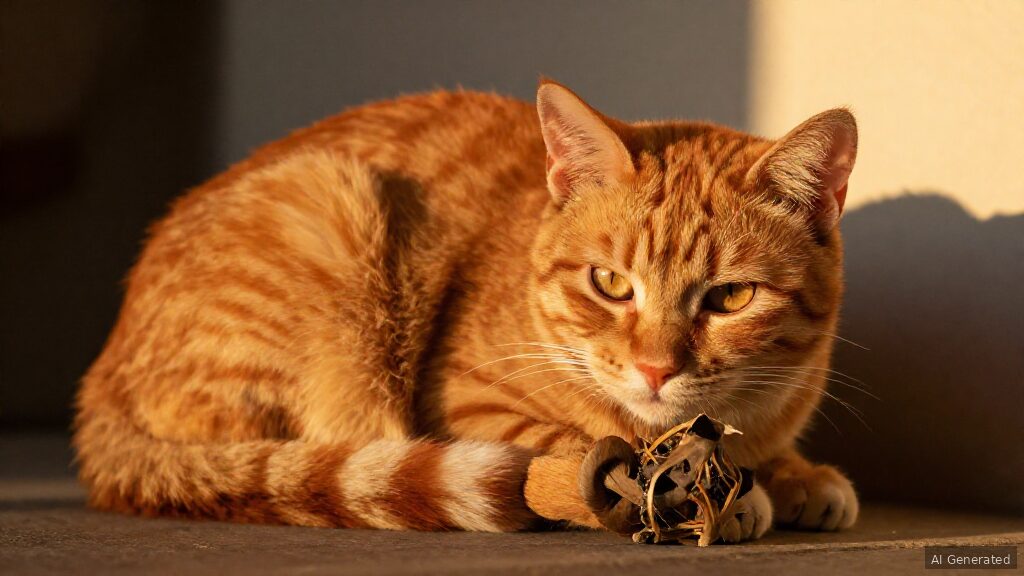
Space Rearrangement Strategy: Seasonal Stimulation
To provide a new environment for your cat, it is recommended to rearrange furniture seasonally. For example, in winter, create a resting area in a spot with warm sunlight, and in summer, create a space that offers cool shade. This allows cats to receive continuous new stimuli.
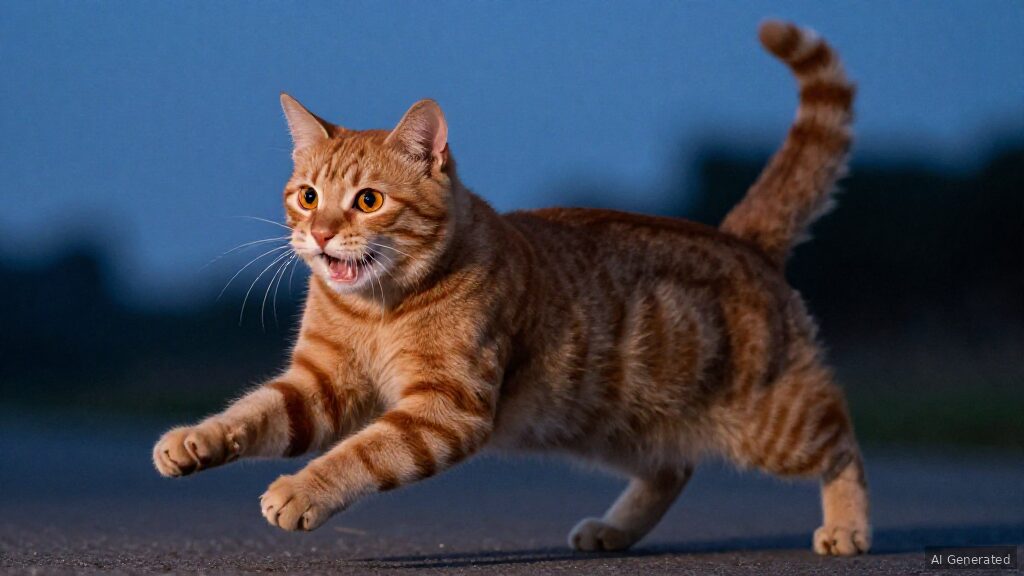
Incorporating Natural Elements: Creating an Indoor Natural Environment
Safe plants like cat grass help aid digestion and reduce stress in cats. Additionally, setting up a catio (an outdoor enclosure for cats) allows them to explore the outside environment safely. These natural elements enhance a cat’s sense of psychological stability.
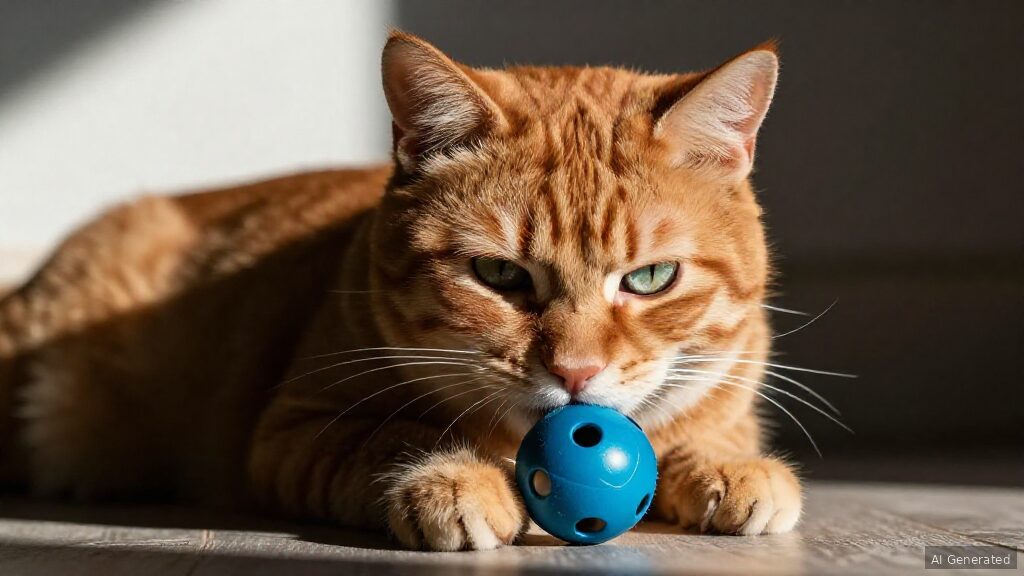
Utilizing Vertical Space: Satisfying Feline Instincts
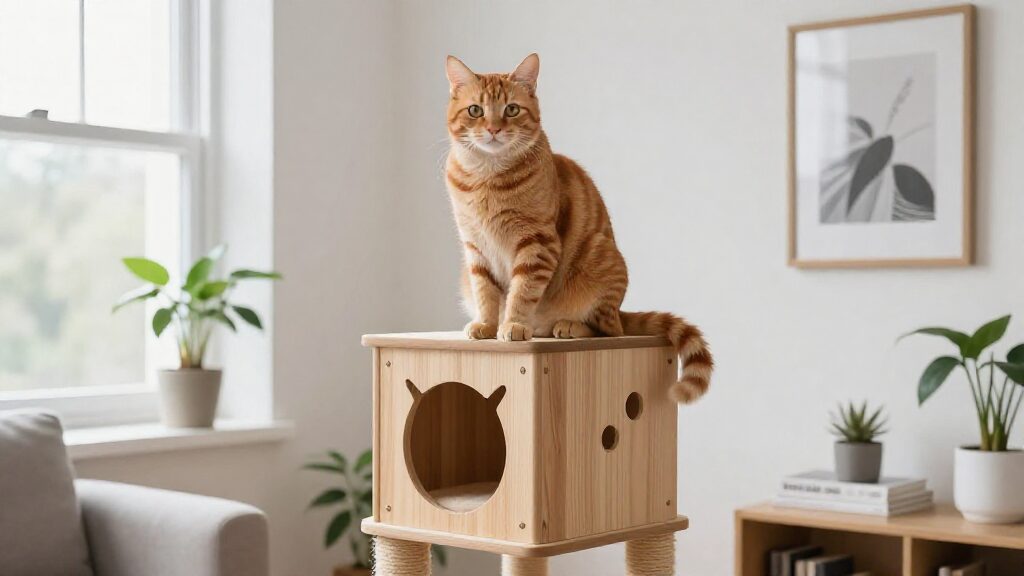
Cats instinctively prefer high places. Installing cat towers and wall shelves to utilize vertical space can provide cats with safe observation points. PlayCat solid wood structures contribute to increasing feline activity with their durability and natural design.
How to Measure the Effects of Environmental Enrichment
You can measure the effectiveness of environmental enrichment by observing changes in your cat’s behavior. For example, positive changes such as increased activity or longer playtimes indicate that the enrichment is successful. These observations serve as important indicators for evaluating the cat’s welfare level.
Tips for Designing Multi-Cat Household Environments
In multi-cat households, resource distribution and territory separation are important. Providing individual hiding spots and feeding areas for each cat can prevent conflicts. This helps reduce stress between cats and promotes peaceful coexistence.
FAQ: Common Questions About Cat Environmental Enrichment
Q. Why is environmental enrichment necessary?
Environmental enrichment is essential for reducing cat stress, preventing behavioral problems, and improving overall welfare. Indoor cats receive fewer stimuli compared to their natural environment, so environmental enrichment helps satisfy their instinctual needs.
Q. How do I start with environmental enrichment?
You can start by providing simple toys or boxes for hiding. Gradually add various stimuli to help the cat adapt to the new environment. The key is to observe the cat’s reactions and provide customized enrichment.
Q. Are there differences in environmental enrichment based on age?
Yes, kittens need more opportunities for play and exploration, while senior cats require a more comfortable and easily accessible environment. It is important to apply enrichment methods suitable for each life stage.
Q. What changes can I expect from environmental enrichment?
Through environmental enrichment, a cat’s activity levels may increase, stress-related behaviors may decrease, and overall happiness may improve. You can measure these changes using a behavioral observation checklist.
Q. How much does environmental enrichment cost?
Environmental enrichment does not need to be expensive. You can easily start with simple boxes or DIY projects using household items. The important thing is providing continuous stimulation tailored to the cat’s needs.
The Importance of Environmental Enrichment: Scientific Evidence
Cat environmental enrichment goes beyond simply providing play opportunities; it directly impacts their mental and physical health. According to a study published in the Journal of Feline Medicine and Surgery in 2017, environmental enrichment was shown to significantly reduce cortisol levels, a stress hormone in cats. This helps cats live healthier and happier lives.
Providing Multi-layered Stimulation: Satisfying Various Senses
Cats interact with their environment through various senses, including sight, hearing, and smell. Considering this, it is good to arrange toys with different textures, sound-making devices, and scents that interest the cat. For example, audio devices that play bird sounds or toys that move with the wind are effective in stimulating a cat’s hunting instincts.
Providing Hiding Spots and Safe Spaces
Cats need a safe space to hide when they feel stressed or scared. To provide this, you can offer cat tents, boxes, or small enclosed spaces. These hiding spots allow cats to feel secure away from external stimuli and provide personal space for each cat to spend time alone, even in multi-cat households.
Social Interaction and Playtime
Although cats tend to be independent, social interaction is important for their emotional health. Playing or bonding with your owner for a set amount of time each day reduces stress and provides emotional stability. In particular, play using interactive toys stimulates natural hunting behaviors and helps cats positively release energy.
Regular Environmental Changes
Another important element of environmental enrichment is regular environmental changes. Periodically changing the location of play areas or toys can provide new stimuli and stimulate a cat’s curiosity. However, changes should be made gradually, and it is important to maintain spaces where the cat feels stable.
Examples of Regular Changes
- Changing toy locations: Change the location of toys weekly to encourage new exploration by the cat.
- Adding new play spaces: Create new play spaces every few weeks to stimulate the cat’s curiosity.
- Replacing boxes and tunnels: Swap out various boxes and tunnels to allow the cat to discover new hiding spots.
Customized Environmental Enrichment Plan for Cats
| Activity | Frequency | Tools/Methods |
|---|---|---|
| Interactive Play | Daily | Laser pointers, feather toys |
| Environmental Changes | Weekly | Changing toy locations, adding new boxes |
| Providing Hiding Spots | Continuous | Cat tents, boxes |
This content was created using AI technology. Please consult a veterinarian for any medical-related information.