


Sensory Deprivation in Indoor Cats and the Core Value of Sensory Enrichment
In modern society, most cats live indoors. This offers significant advantages, such as forming strong bonds with their owners and being safely protected from diseases and external dangers. However, this safe environment can paradoxically lead to severe sensory deprivation for cats. Their wild ancestors spent a significant portion of their day hunting, patrolling territories, engaging in social interactions, and exploring diverse environments, constantly stimulating their five senses. In contrast, indoor cats live in confined spaces with constant lighting, repetitive sounds, and limited tactile experiences.
This sensory poverty can lead to behavioral problems and psychological disorders beyond simple boredom. Excessive grooming, loss of appetite, increased aggression, or lethargy are likely signs of stress caused by the cat’s inability to adapt to its environment. At this point, ‘Sensory Enrichment’ becomes a core solution that dramatically improves the quality of life for cats. Sensory enrichment goes beyond simply providing more toys; it is a systematic approach to satisfying a cat’s instincts and activating their brain by balancing stimulation across sight, smell, hearing, touch, and taste.
The ultimate goal of sensory enrichment is to enable cats to actively explore their environment and feel a sense of control. Research shows that properly designed sensory stimuli can lower stress hormone levels, improve cognitive function, and enhance sleep quality in cats. Especially for cats living indoors, providing various stimuli is an essential element for maintaining their mental health and longevity. From now on, let’s explore specific methods through PlayCat’s sensory development guide based on five-sense stimulation to help your cat live a more energetic and happy life.
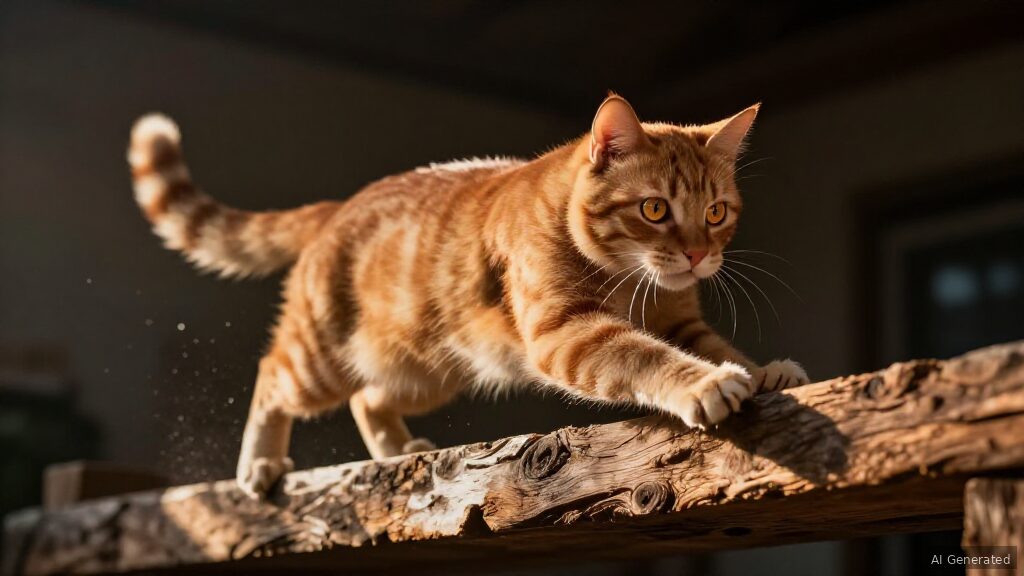
Visual Stimulation: The World Outside the Window and Moving Images to Broaden a Cat’s View
Cats are more sensitive to bright light than humans, and their ability to capture moving objects is exceptional. However, if confined indoors, static walls or fixed furniture limit their visual world. To enrich a cat’s vision, the most effective method is to utilize ‘Bird Watching’ through the window. You should create a space by the window where the cat can see birds flying or perching on branches when they sit. If there are obstacles below the window, remove them and ensure there are high places or platforms where the cat can sit comfortably and observe.
Cats are instinctively stimulated by moving objects, especially flying birds, moths, or branches swaying in the wind. Installing a ‘Bird Feeder’ on the window to create an environment where birds frequently visit can serve as free TV and the best visual stimulator for your cat. However, ensure the glass is sturdy so the cat cannot harm the birds, and be careful to prevent the cat from getting too close. This activity helps improve the cat’s concentration and consumes energy through hunting simulation.
If the environment does not allow viewing outside, or during nighttime, ‘moving toys’ and ‘TV/Video usage’ can be alternatives. While laser pointers immediately stimulate a cat’s hunting instinct, their drawback is that the game never truly ends. Instead, use automatic rotating toys or remote-controlled moving toys to give the cat opportunities to track and attack on their own. Additionally, various video content specifically for cats has recently been developed. Displaying videos of birds, mice, or fish crossing the screen on a TV or tablet allows the cat to perceive the movement as prey, receiving visual stimulation.
At this time, pay attention to the brightness and noise of the video. Videos that are too bright or loud can make cats anxious, so choose content with appropriate brightness and natural sounds. PlayCat’s solid wood furniture is also an excellent partner in creating such visual environments. The natural grain and warm tones of wood gently capture the cat’s gaze, while solid wood shelters or platforms at various heights provide optimal positions for cats to comfortably observe from the window or in front of the TV. The natural texture of wood offers visual stability distinct from artificial plastic toys, helping cats accept their environment more naturally.
Practical Tips for Visual Stimulation
- Place solid wood platforms or cushions by the window where cats can lie down comfortably and observe.
- Install a bird feeder on the outside of the window to have daily observation sessions.
- Limit cat-specific videos to about 15-20 minutes a day to control the intensity of stimulation.
- Rotate or move toys daily to provide new visual elements.
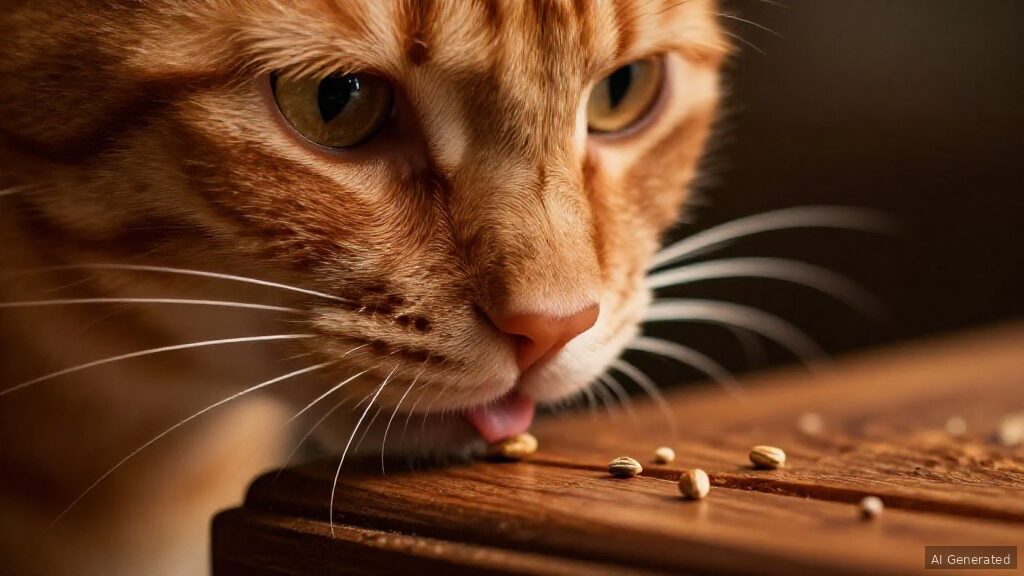
Olfactory Stimulation: Opening a Cat’s Scent Map with Catnip and Silvervine
A cat’s sense of smell is more than 14 times better than a human’s, and its significance in their perception of the world is overwhelming. Cats ‘read’ and remember the world with their noses, and smelling new scents is a great source of joy and an opportunity for exploration. Since indoor environments are generally static in terms of scent, making it difficult to stimulate a cat’s sense of smell, ‘olfactory enrichment’ by artificially introducing various scents is essential. The most representative materials for this are ‘Catnip’ and ‘Silvervine’.
Catnip contains nepetalactone, which causes reactions such as excitement, pleasure, and relaxation in cats. About 50-70% of cats react to catnip, which is genetically determined. Sprinkling catnip in powder form or putting it in toys allows cats to lick or rub against it, relieving stress. On the other hand, Silvervine (Matatabi), unlike catnip, provides strong stimulation to most cats, especially those that do not react to catnip. The matatabilactone in silvervine tends to excite cats more powerfully and for a longer duration than catnip. Alternating or mixing these two materials can sustain the cat’s interest.
Another method of olfactory stimulation is creating a ‘Herb Garden’. Growing or placing dried forms of herbs safe for cats, such as rosemary, lavender, and peppermint, allows them to enjoy natural scents. However, some plants can be toxic to cats, so you must verify their safety. In addition, the ‘Hide and Seek Treats’ game is an excellent way to maximize olfactory stimulation. Hiding your cat’s favorite treats around the house, especially inside cardboard boxes or cloth bags, allows the cat to satisfy their hunting instinct by sniffing out the prey with their nose. This goes beyond simple food consumption to promote brain activity and expend energy.
PlayCat’s solid wood furniture harmonizes perfectly with olfactory stimulation environments. Wood emits a natural woody scent over time, which provides a sense of security to cats. Furthermore, the holes or crevices in solid wood furniture are great spaces for hiding treats or inserting catnip, allowing cats to explore and stimulate their sense of smell on their own. While plastic furniture can absorb odors and cause discomfort, wood has good breathability, naturally regulating smells and contributing to the health of the cat’s olfactory system.
Guide to Utilizing Olfactory Stimulation
- Alternate between catnip and silvervine about 2-3 times a week to prevent tolerance.
- Hide-and-seek treats can also extend your cat’s meal time by 10-15 minutes.
- When introducing new scents, observe your cat’s reaction to ensure there is no excessive stress.
- Insert dried herbs into the crevices of solid wood furniture to maintain a natural scent.
Auditory Stimulation: How to Open a Cat’s Ears from Nature Sounds to Music
Cats can hear frequencies much higher than the human audible range and react sensitively to even subtle changes in sound. Indoor life is mostly filled with static or repetitive noises (e.g., air conditioner sounds, refrigerator humming), which is insufficient to stimulate a cat’s hearing. Various auditory stimuli help lower a cat’s vigilance, induce curiosity about new environments, and alleviate stress.
The most natural auditory stimulation is ‘Nature Sounds’. Sounds of rain, wind, flowing streams, or chirping insects awaken a cat’s wild instincts. Play nature sounds through a smartphone or speaker, but it is best to keep the volume at an appropriate level so it flows like background music. Studies have shown that the sound of rain, in particular, has a calming effect on cats. Additionally, ‘Bird Sounds’ immediately stimulate a cat’s hunting instinct, so playing audio with bird calls or allowing bird sounds to be heard from the window is effective.
‘Music’ also greatly affects a cat’s mood. Pop or rock music heard by humans can be perceived as noise by cats and may even cause stress. Instead, ‘Cat-Specific Music’ or ‘Classical Music’ is more suitable. Low-frequency rhythms tailored to a cat’s hearing range and string instrument sounds like piano and cello make cats feel comfortable. Some studies suggest that cat-specific music strengthens the bond between nursing mothers and kittens and reduces stress in hospital settings. When playing music, it is good to adjust the genre or volume according to the cat’s active times and rest times during the day.
When providing auditory stimulation, the diversity and unpredictability of sound are important. If the same sound is repeated every day, cats will quickly get used to it and lose interest. Therefore, it is good to mix nature sounds, music, and bird sounds, or vary the direction and intensity of the sound. PlayCat’s solid wood furniture also plays a positive role in this auditory environment. Wood has properties that absorb and reflect sound well, naturally regulating the reverberation in the room. This delivers clearer and softer sounds to the cat and prevents the harsh noise emitted by plastic furniture, creating a pleasant auditory environment.
Auditory Stimulation Tips
- Play nature sounds as background music for about 30 minutes to 1 hour a day.
- Use cat-specific music during sleep times or when stability is needed.
- Play bird sounds during hunting play sessions to increase immersion.
- Avoid sudden loud noises and introduce changes in sound slowly to make the cat familiar with them.
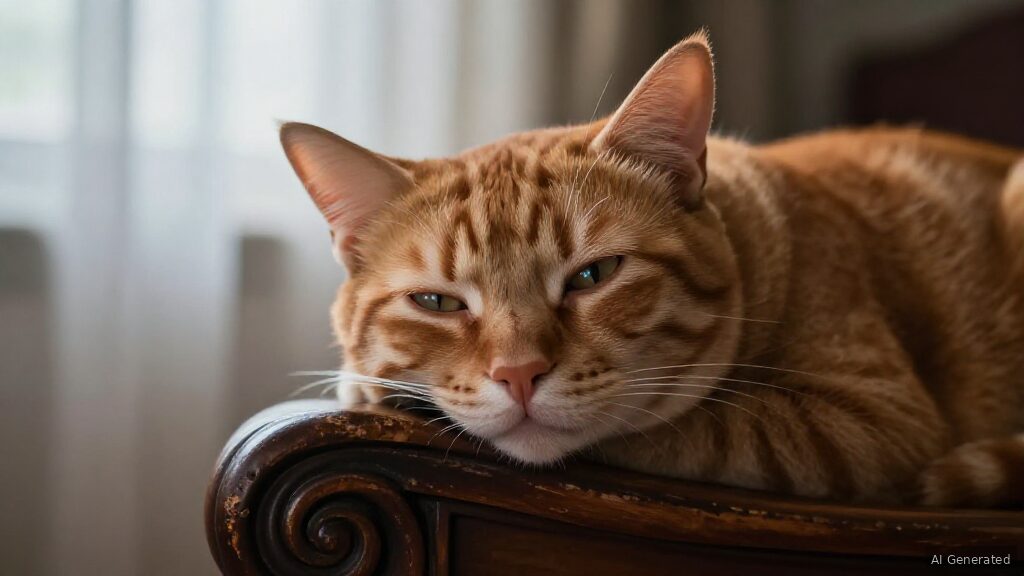
Tactile Stimulation: The Pleasure of Skin from Various Materials and Solid Wood Furniture
Tactile sensation is the most basic and important sense for cats to directly touch and feel their environment. Cats detect temperature, texture, and vibration through their paw pads, whiskers, and fur, using this to confirm their safety and location. Since indoor cats mostly live on smooth floors and soft fabric furniture, it is important to enrich their tactile senses through experiences with various textures. Especially experiencing different materials like ‘Solid Wood’, ‘Fabric’, and ‘Cardboard’ is essential for developing a cat’s skin senses and relieving stress.
‘Solid Wood’ is a very attractive texture for cats. Wood regulates temperature and has a natural grain, providing pleasant stimulation when cats rub against it or lie down. PlayCat’s solid wood furniture is designed to maximize this tactile pleasure. The smoothly finished solid wood surface is suitable for cats to groom or rub their bodies against, and the natural warmth of the wood keeps cats warm even in cold winters. Additionally, the micro-irregularities of wood stimulate the sensation of the paw pads, helping to develop balance.
‘Fabric’ and ‘Cardboard’ are also important tactile stimulants. The textures of various fabrics (velvet, wool, cotton, etc.) are important criteria when cats choose spaces to rub against or sleep. In particular, cardboard has a good grip, providing satisfaction when scratching, which is essential for claw maintenance and stress relief. Cardboard scratchers provide the pleasure of the ‘scratching act’ itself to cats, so it is good to place several cardboard toys of various shapes and sizes throughout the house.
To provide tactile stimulation, it is good to create spaces with various textures in every corner of the house. For example, place soft cushions on top of solid wood furniture and cardboard scratching posts underneath, allowing the cat to choose based on the situation. Additionally, providing solid wood blocks or tubes of various sizes and shapes that the cat likes allows them to crawl inside or walk on top, experiencing new tactile sensations. These experiences with various textures improve the cat’s sensory integration abilities and increase their adaptability to the environment.
How to Configure a Tactile Stimulation Environment
- Place at least three types of materials in the house, such as solid wood, fabric, and cardboard.
- Wipe the surface of the solid wood furniture your cat likes frequently to keep it clean and comfortable to the touch.
- Place multiple cardboard scratching posts sized for your cat to encourage scratching behavior.
- Place cushions of various thicknesses and textures on solid wood furniture to diversify the sleeping environment.
Gustatory Stimulation: Enjoying Food Exploration through Dietary Diversity and Puzzles
A cat’s sense of taste is not as developed as their sight or smell, but they feel interaction with the environment through the texture and taste of meals. Indoor cats often eat the same type of food from the same bowl every day, so mealtime easily turns into a mere act of nutrient intake. ‘Gustatory Enrichment’ aims to increase dietary diversity and turn the process of finding food into enjoyment.
‘Dietary Diversity’ is not just about changing food brands. You can change the texture by appropriately mixing wet food with high moisture content and dry food, or occasionally adding safe fish or chicken as treats. Additionally, you can slightly warm the food or add ice to change the texture. Experiencing new tastes and textures increases interest in meals and has a positive effect on digestion.
‘Treat Puzzles’ and ‘Food Foraging’ are the core of gustatory stimulation. The process of a cat solving a puzzle toy to get food or finding hidden treats satisfies their hunting instinct and activates their brain. PlayCat’s solid wood furniture provides an environment optimized for such puzzle play. Puzzles made of solid wood or furniture with holes where food can be placed require the cat to use their paws or nose to take out the food, meaning the process of obtaining food requires time and effort. This extends feeding time, creates a sense of fullness, prevents overeating, and provides mental satisfaction.
To stimulate taste, you can move food bowls to various locations in the house instead of keeping them fixed, or place them at high and low spots to encourage the cat to eat from different positions. Additionally, the ‘Food Hunt’ game, where food is scattered and the cat has to find it, recreates the instinctive behavior of the cat exploring the floor or furniture to find food. These activities not only make the cat enjoy their meal but also encourage them to actively explore their surroundings.
Practical Methods for Gustatory Stimulation
- Alternate between dry and wet food to provide changes in texture.
- Use solid wood puzzle toys to make the process of obtaining food fun.
- Conduct a game of hiding treats around the house and having the cat find them 2-3 times a week.
- Extend meal times to over 10-15 minutes to encourage slow eating.
Comparison of Sensory Enrichment Strategies by Age and Personality
The intensity and type of sensory stimulation needed vary depending on the cat’s age and personality. Young cats (kittens) are curious and expend a lot of energy, so they need active and diverse stimuli, while senior cats have less energy and may have weak joints, so soft and stable stimuli are better. Additionally, the approach should be applied differently depending on whether the cat is introverted or extroverted.
| Category | Kitten (0-1 year) | Adult Cat (1-7 years) | Senior Cat (7+ years) |
|---|---|---|---|
| Key Characteristics | Full of curiosity, high energy, fast learning | Good adaptability, regular lifestyle patterns | Decreased energy, joint weakness, increased sleep time |
| Visual Stimulation | Fast-moving toys, bird videos | Window observation, automatic rotating toys | Soft videos, slow observation by the window |
| Olfactory Stimulation | Exploring various scents, hide-and-seek treats | Regular provision of catnip/silvervine | Soft herb scents, maintaining familiar smells |
| Auditory Stimulation | Various nature sounds, active music | Nature sound background, classical music | Soft rain sounds, low-frequency music |
| Tactile Stimulation | Cardboard, exploring various materials | Solid wood furniture, soft fabric | Warm solid wood, sleeping on soft cushions |
| Gustatory Stimulation | Puzzle toys, food hunt | Hide-and-seek treats, various textures | Easy puzzles, soft treats, slow eating |
Approach by Personality:
Extroverted and Active Cats: Install solid wood furniture at high places to encourage jumping and exploration, and provide automatic toys and complex puzzles. Continuous provision of various sounds and movements is necessary to prevent boredom.
Introverted and Timid Cats: First, create a safe space by providing solid wood boxes or furniture with holes that can serve as hiding spots. Introduce sounds softly and scents gradually, prioritizing an environment that provides stability rather than excessive stimulation. PlayCat’s solid wood furniture serves as a natural hiding spot even for introverted cats, providing psychological stability.
Example Weekly Sensory Enrichment Schedule
To naturally integrate sensory enrichment into daily life, it is good to establish a certain routine. Below is an example schedule to evenly stimulate your cat’s five senses over a week. Adjust and apply it flexibly according to your family’s situation.
- Monday (Visual Day): 15 minutes of bird watching by the window in the morning, 20 minutes of watching cat-specific bird videos in the evening.
- Tuesday (Olfactory Day): Conduct a new hide-and-seek treat game including catnip, and place dried herbs on solid wood furniture.
- Wednesday (Auditory Day): Rest time with nature sounds (rain, wind) as background, listening to classical music in the evening.
- Thursday (Tactile Day): Replace fabric cushions with various textures, expand playtime with cardboard scratching posts.
- Friday (Gustatory Day): Feed food using solid wood puzzle toys, provide additional wet food.
- Saturday (Exploration Day): Tidy up every corner of the house to create new exploration courses, play on high solid wood platforms.
- Sunday (Rest and Bonding): Gentle grooming and skinship, resting together in a quiet environment.
This schedule helps the cat receive new stimuli every day while maintaining a certain rhythm. The important thing is not regularity, but observing the cat’s reaction and adjusting appropriately. Observe which stimuli your cat likes more and which they dislike, and complete your own sensory enrichment routine.
Frequently Asked Questions (FAQ)
1. What should I do if my cat does not react to catnip?
About 30% of cats have a genetic trait where they do not react to catnip. In this case, try other herbs such as silvervine (matatabi) or valerian root. Silvervine contains different components from catnip and is effective for most cats. Additionally, giving catnip too frequently can reduce its effectiveness, so it is recommended to limit its use to about 1-2 times a week.
2. Is solid wood furniture safe for cats?
Yes, PlayCat’s solid wood furniture is very safe for cats. Wood is a natural material that does not emit harmful chemicals and has a smooth surface with little risk of claws getting caught or breaking. Furthermore, the breathability of wood regulates moisture to prevent mold growth, making it hygienic. However, it is important to verify the non-toxicity of paints or adhesives.
3. Do I need to buy new toys every day for sensory enrichment?
No. There is no need to buy new toys every day. What is important is utilizing existing toys or furniture in new ways. For example, simply changing the location of a toy or hiding it and taking it out later can make the cat feel new stimulation. This also has a budget-saving effect and helps the cat develop attachment to their belongings.
4. Is sensory enrichment necessary for senior cats?
Yes, sensory enrichment is even more important for senior cats. Due to aging, senses become duller and activity levels decrease, so appropriate stimulation is essential to slow down cognitive decline and maintain quality of life. However, it is good to keep the intensity low and provide soft stimuli that do not strain the joints (e.g., gentle touch, low-height solid wood platforms).
5. What should I do if my cat gets stressed when starting sensory enrichment?
When introducing new stimuli, you must carefully observe the cat’s reaction. If the cat flattens its ears, swishes its tail vigorously, or hides, the stimulation may be too strong. In this case, stop the stimulation immediately and let the cat return to a safe space familiar to them. You can gradually adapt them by lowering the intensity of the stimulus or reducing the time.
Conclusion: For a Cat’s Life Where the Five Senses Awaken
Sensory enrichment is not just a way to make cats happy; it is a core element that respects their instincts and enables them to live healthy lives. An environment that balances stimulation of sight, smell, hearing, touch, and taste protects the cat’s mental and physical health and deepens the bond with the owner. PlayCat’s solid wood furniture is the most ideal solution for creating such a sensory enrichment environment. Natural materials and warm tones gently stimulate the cat’s five senses, while structures of various heights provide spaces for exploration and rest.
Starting today, transform your home into a place for sensory enrichment. You will be amazed at how much a small change can brighten your cat’s day. Imagine the happy smiles of cats listening to the sound of birds outside the window, smelling the scent of catnip, and feeling the warmth of solid wood furniture. That is the true happiness we pursue with cats.
This content was created using AI technology. Always consult a veterinarian regarding medical information.