


Why Is It Important to Understand the Unique Personality of Norwegian Forest Cats?
The Norwegian Forest Cat is a special breed that evolved to survive the harsh winters of Northern Europe, possessing unique behavioral patterns and psychological traits that go beyond their cute appearance. Through this article, we will identify the instinctual needs of Norwegian Forest Cats and explore specifically how to create an environment where they can live most comfortably and happily at home. In particular, their long-haired coat management, high exercise requirements, and dual personality—being both independent and affectionate—require a different approach than that for typical indoor cats. Proper Environmental Enrichment strategies are the key to reducing stress, preventing problem behaviors, and even extending their lifespan. We provide a professional guide to help your Norwegian Forest friend channel their unique energy positively.
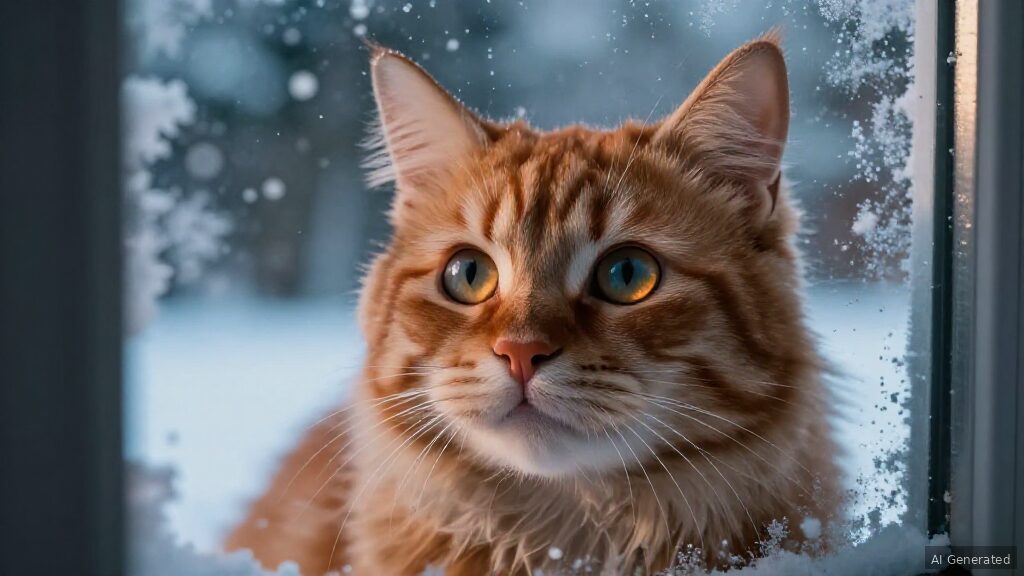
How Do Norwegian Forest Cats Express Their Instincts?
Since this breed is a descendant of wild cats that originally hunted and climbed trees in the forest, their instincts remain strong even in indoor life. They enjoy climbing to high places, exploring complex structures, and playing games that involve tracking prey. If these instincts are ignored and only a standard living space is provided, the cat may feel bored and exhibit excessive sleeping or destructive behaviors.
The Standard of Climbing Instinct: The Desire for High Living
Norwegian Forest Cats are tall and sturdy, making them love climbing to high places. They feel a sense of security and control over their territory by looking down on their surroundings from above. Therefore, providing a vertical space is essential, rather than just laying down thick carpets on the floor. PlayCat’s solid wood furniture offers a vertical space with a natural wood texture and sturdy structure, allowing cats to climb comfortably. The warmth of the wood satisfies their instinctual preferences, and the multi-level structure serves as a play area where they can jump up and down as if tracking prey. As a kitten, they can build muscle by gradually climbing from lower levels, while adult cats may exhibit dominant behaviors by observing family members from high perches. Even after becoming a senior cat, structures with gentle slopes or soft footholds are necessary to consider joint health, so creating an environment with appropriate height from the beginning is crucial.
Analysis of Passion for Hunting Games and Play Preferences
This breed has a very strong hunting instinct and tends to be obsessed with moving objects. They prefer feathers, strings, and unpredictable moving objects over simple toys. Hunting play provides both physical activity and mental stimulation, so it is necessary to have at least two focused play sessions of 15 minutes or more per day. Since they have a habit of becoming more active in the evening or at night, burning off energy through play at these times is effective in preventing running around late at night. PlayCat’s solid wood furniture works best when combined with hunting play areas. For example, playing by hiding between tree pillars or waiting in a shaded spot before suddenly jumping out maximizes the cat’s hunting desire. Additionally, the wood surface gives the feeling of catching prey while sharpening claws, providing instinctual satisfaction. Due to their long-haired nature, fur may shed significantly, so it is recommended to combine thorough fur management after play.

What Is the Connection Between Long-Haired Norwegian Forest Cat Grooming and Behavior?
One of the biggest features of the Norwegian Forest Cat is their lush coat made of a thick double layer. While this fur evolved to maintain body temperature in cold climates, it requires very careful management in indoor life, which directly affects their behavior. If the fur becomes matted or dirty, the cat may groom excessively or, conversely, neglect hygiene, requiring active intervention from the owner.
Understanding Double Coat Characteristics and Grooming Habits
This breed has a double coat consisting of guard hairs and undercoat, offering excellent waterproofing and insulation. However, indoor heating can cause the fur to puff up more and generate static electricity, especially during shedding seasons in spring and autumn when huge amounts of fur fall out. If a cat licks itself excessively to clean its body, the risk of forming ‘Hairballs’ that can cause digestive issues increases. To prevent this, daily brushing and the use of grooming helpers are essential. PlayCat’s solid wood furniture, with its natural wood texture, helps cats reduce static electricity and organize their fur by rubbing against it. The wood surface does not attract fur easily, making cleaning easy, and provides a hygienic environment when cats rub their bodies to leave scent marks or groom. It is important to start gently with a soft brush during the kitten stage and train them to get used to grooming until they become adults.
Preventing Problem Behaviors Arising from Lack of Grooming
If grooming is not performed properly, the cat may feel skin itching or pain, becoming aggressive or showing signs of ‘Over-grooming’ by excessively licking specific areas. Additionally, limited activity due to matted fur can lead to complaints of depression. To prevent these problem behaviors, allocate at least 10 minutes of brushing time daily, choosing a time and place the cat likes. Brushing next to PlayCat’s furniture allows the cat to feel comfortable, combining it with behavior training. Leaning against a wooden pillar while being brushed helps relieve tension and also strengthens the bond with the owner. For senior cats, who may find it difficult to groom themselves due to joint pain, the owner must carefully manage areas like the back and the tip of the tail. A well-groomed cat becomes more active, experiences less stress, and leads a more vibrant life.
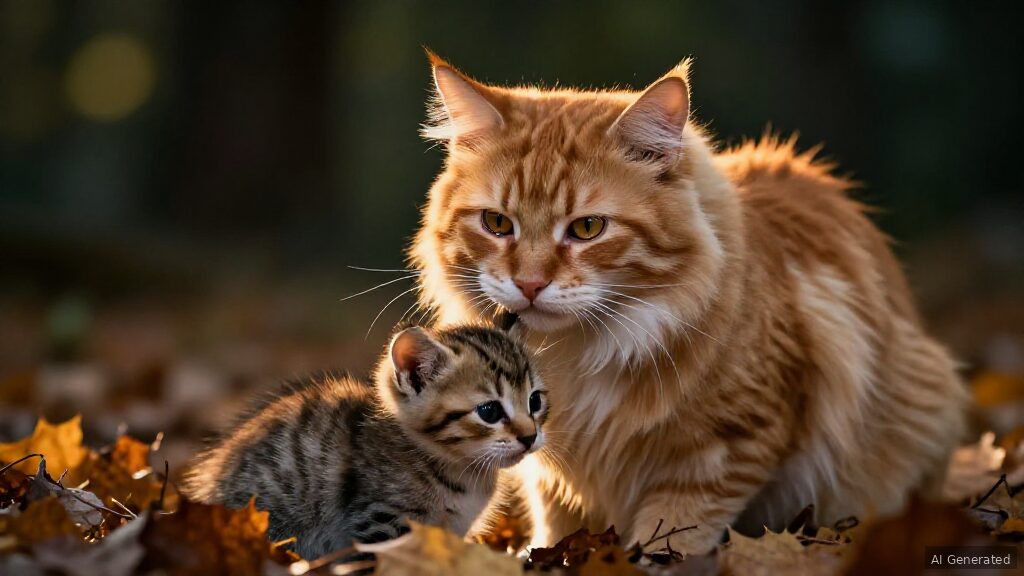
How to Design the Optimal Vertical Space for Norwegian Forest Cats?
Since Norwegian Forest Cats are tall and large, they require vertical spaces that are higher and sturdier than standard cat furniture. They prefer to rest or survey their surroundings from high places, so designing vertical space utilizing the entire wall is effective. A single tall pillar is not enough; a complex structure connecting shelters and movement paths at various heights is necessary.
Selecting High Structures Considering Body Size and Activity
The average weight of this breed is 6~9kg for males and 4~6kg for females, making them heavier than other cat breeds. Therefore, light and unstable furniture is absolutely unsuitable, and furniture made of sturdy solid wood must be chosen. PlayCat’s solid wood furniture utilizes the strength of natural wood to be designed so that even heavy Norwegian Forest Cats can use it safely and comfortably. When connecting high levels, use inclined ramps or wide, sturdy footholds to avoid straining the joints. It is good to adapt kittens by starting at low heights and gradually increasing them, while for adult cats, structures reaching near the ceiling are ideal. As cats become seniors, using high places becomes difficult, so placing comfortable beds on intermediate levels to reduce travel distance is important.
Territory Marking and Stress Relief Through Vertical Space Utilization
Cats gain psychological stability by marking their territory and surveying their surroundings when they climb to high places. Especially in multi-pet households or those living with other animals, high places can be the only sanctuary. PlayCat’s solid wood furniture provides multiple shelters and hiding spots, helping each cat have its own space. The wood surface also acts as a scratcher, providing an opportunity to mark territory while sharpening claws. This naturally prevents problem behaviors like scratching walls or sofas. If spaces of various heights are connected, cats can design their own movement paths and increase their exercise, which is also effective in preventing obesity. Especially in winter, high places are warm due to sunlight, so you can often see cats naturally staying there.

Indoor Environment Improvement Solutions Tailored to Long-Haired Traits?
Considering the long-haired traits and active personality of Norwegian Forest Cats, the indoor environment must be optimized in two aspects: fur management and activity. Beyond simply adding more toys, a space configuration is needed where cats can satisfy their instincts while maintaining hygiene.
Creating a Nature-Friendly Environment Using Solid Wood Furniture
Furniture made of artificial materials or synthetic resins can cause static electricity, leading to more matted fur and potentially harming the cat’s skin health. In contrast, natural solid wood has an appropriate temperature and less static electricity, making it an ideal environment for long-haired cats. PlayCat’s solid wood furniture preserves the natural wood grain, giving a hygienic feeling when cats rub or lie down, and makes fur management easy. Additionally, wood has a moisture-regulating effect, feeling cool in summer and warm in winter, providing comfort year-round. It is important to arrange solid wood furniture of various sizes and shapes so that cats can choose their preferred locations. For example, place a high shelter by the window and a low play area in one corner of the living room to separate movement paths and rest spaces.
Space Layout That Balances Fur Management and Activity
Cats with lots of fur easily accumulate dust and hair on the floor, so an environment easy to clean is essential. PlayCat’s solid wood furniture is designed to minimize contact with the floor or smooth out the parts where paws touch to prevent fur accumulation. Additionally, placing grooming and play areas adjacent to the furniture optimizes the flow, allowing play immediately after grooming. For kittens, a wide floor space is important, so placing furniture against the wall and leaving the center open is recommended, while for adult cats, increasing the utilization of vertical space secures floor space. For senior cats, widen the gaps between furniture to ensure no inconvenience in movement. This layout reduces the cat’s stress and helps the owner clean and manage efficiently.
Common Mistakes and Specific Methods to Solve Them?
Mistakes often made by guardians while raising Norwegian Forest Cats usually stem from overlooking the breed’s specific characteristics. Let’s explore how to avoid these mistakes and improve the environment in the right direction.
Case Studies of Problem Behaviors Due to Incorrect Environment Design
The most common mistake is thinking that standard cat furniture can be used without issues. Since Norwegian Forest Cats are large and active, light or unstable furniture will quickly break or the cat will refuse to use it. Additionally, neglecting fur management can lead to skin problems, and a lack of high spaces can cause stress, leading to scratching walls or urinating accidents. If you use cheap synthetic furniture instead of introducing PlayCat’s solid wood furniture, static electricity can cause fur matting and dermatitis, and structural instability poses a risk of injury to the cat. Most of these problems can be prevented by creating an appropriate environment from the start.
Practical Solution Strategies and Behavior Modification Methods
When problems occur, immediately modify the environment and observe the cat’s behavior to identify the cause. First, the basic strategy is to introduce sturdy solid wood furniture to secure vertical space, maintain a daily regular grooming schedule, and increase playtime. PlayCat’s solid wood furniture can be the core of this solution. The texture and sturdiness of the wood satisfy the cat’s instincts and naturally correct problem behaviors. Additionally, identify the cat’s preferred locations to place furniture and use positive reinforcement to encourage acceptance of the new environment. If problems persist, it is also important to visit an animal hospital to check for health-related causes.
Behavioral Enrichment Checklist You Can Start Practicing Today
Now, let’s start behavioral enrichment for your Norwegian Forest Cat. Refer to the checklist below to confirm specific actions you can take starting today.
- Secure Vertical Space: Install high shelters that the cat can climb using PlayCat solid wood furniture. Especially place them by the window or in the center of the living room to widen their field of view.
- Daily Grooming Time: Brush for at least 10 minutes every day, managing carefully to prevent matting. Pay special attention to the area behind the ears and the belly.
- Enhance Hunting Play: Use feather toys or laser pointers to have focused play sessions of 15 minutes or more, at least twice a day. Stimulate their instincts by providing unpredictable movements.
- Provide Hiding Spots: Create safe rest spaces using boxes or secluded corners of solid wood furniture where the cat can hide.
- Observation Log: Record the heights and locations the cat likes most to refer to for future environmental improvements. Especially identify the time periods when they are most active.
- Establish Cleaning Routine: During seasons when fur sheds heavily, use a vacuum cleaner at least twice a day to remove fur and dust. PlayCat solid wood furniture is easy to clean as fur does not stick easily.
- Safety Check: Regularly check the stability of the furniture and the slipperiness of footholds to prevent accidents.
Frequently Asked Questions (FAQ)
Can Norwegian Forest Cats live indoors?
Yes, Norwegian Forest Cats can live indoors and can be very happy if provided with appropriate environmental enrichment. However, since they may have a strong desire for outdoor activity, it is good to safely protect windows or balconies so they can view the outside scenery. Providing sufficient exercise and hunting play indoors will naturally satisfy their longing for outdoor excursions.
Too much fur is shedding, making cleaning difficult. How can I solve this?
Since Norwegian Forest Cats have a double coat, shedding a lot of fur is a natural phenomenon. The most effective method is to combine daily regular brushing with vacuum cleaning. Additionally, PlayCat’s solid wood furniture has a surface characteristic that fur does not stick to easily, reducing the cleaning burden. During shedding seasons, increasing the frequency of brushing and managing skin health through supplements is also helpful.
The cat loves high places. How do I choose safe furniture?
For large Norwegian Forest Cats, you must choose sturdy and stable solid wood furniture. PlayCat’s solid wood furniture is designed to withstand weight by utilizing the strength of natural wood and includes anti-slip treatment for safety. Also, as the height increases, the thickness of the pillars and the width of the base must be wide enough to prevent tipping, so check the product description carefully.
Is it okay to use solid wood furniture from the kitten stage?
Yes, using solid wood furniture from the kitten stage helps the cat get used to the natural wood texture and creates a safe play environment. However, since kittens are light and very active, it is good to gradually increase the height of the furniture to help them adapt. PlayCat’s products offer various sizes and heights, allowing them to be used according to the growth stage.
How should I change the environment for a senior Norwegian Forest Cat?
Senior cats have weaker joint health, so reduce the use of high places and place comfortable beds at intermediate heights. Additionally, shorten the travel distance between furniture and provide ramps or footholds with gentle slopes to ensure no inconvenience in movement. PlayCat’s solid wood furniture has an appropriate temperature that helps maintain the body temperature of senior cats, so it is good to use it as a warm shelter.
How to reduce aggressive behavior in Norwegian Forest Cats?
Aggressive behavior usually stems from boredom or stress, so sufficient hunting play and securing vertical space are important. Use PlayCat’s solid wood furniture to create an environment where the cat can release energy, and maintain a daily regular play schedule. Additionally, observe the cat’s body language to detect aggression signals in advance and intervene appropriately.
Summary for a Happy Life with Norwegian Forest Cats
Norwegian Forest Cats are special pets with unique instincts and long-haired traits. Their happiness depends on proper environmental enrichment and consistent care. High vertical spaces, sturdy solid wood furniture, and daily grooming and play times make their lives rich. PlayCat’s solid wood furniture is an ideal solution that meets these needs, stimulating the cat’s instincts with natural wood texture and a sturdy structure while providing a safe living environment. Starting today, refer to the checklist to improve the environment for your Norwegian Forest friend. Small changes will bring great joy to their lives.
This content was created using AI technology. Always consult a veterinarian regarding medical information.