


Why Play is a Key to Survival, Not Just a Hobby, for Cats
Many guardians often view playtime with their cats simply as a way to burn off energy or alleviate boredom. However, for cats, play is the most crucial activity for satisfying their survival instincts and is an essential element for maintaining psychological stability and physical health. In the wild, cats hunt to secure food, repeating several short hunting sessions throughout the day. Indoor cats do not naturally get these hunting opportunities, so the playtime provided by their guardians must serve as that substitute.
A cat’s brain is designed to release dopamine and endorphins, creating a sense of pleasure, when a hunting game concludes successfully. If a cat does not get enough play, it may feel frustrated, which can lead to excessive grooming, increased aggression, loss of appetite, or in severe cases, depression. Specifically, the concept of ‘enrichment’ is a strategy used in zoos or shelters to reduce psychological distress by encouraging natural behaviors in animals; this applies equally to cats raised in homes. Even at Uchi Zoo, efforts are focused on inducing natural behaviors, such as showing feeding activities through ecological explanations for large animals like giraffes and elephants, and cats are no exception to this.
Through play, cats experience the entire hunting process. Each stage of the hunt—hiding, stalking, catching, and biting—engages various muscle groups and stimulates the brain. This goes beyond simply increasing exercise; it boosts the cat’s sense of self-efficacy by making them feel in control of their environment. Therefore, securing regular daily playtime is the most reliable way to strengthen the bond with your cat and prevent behavioral problems.
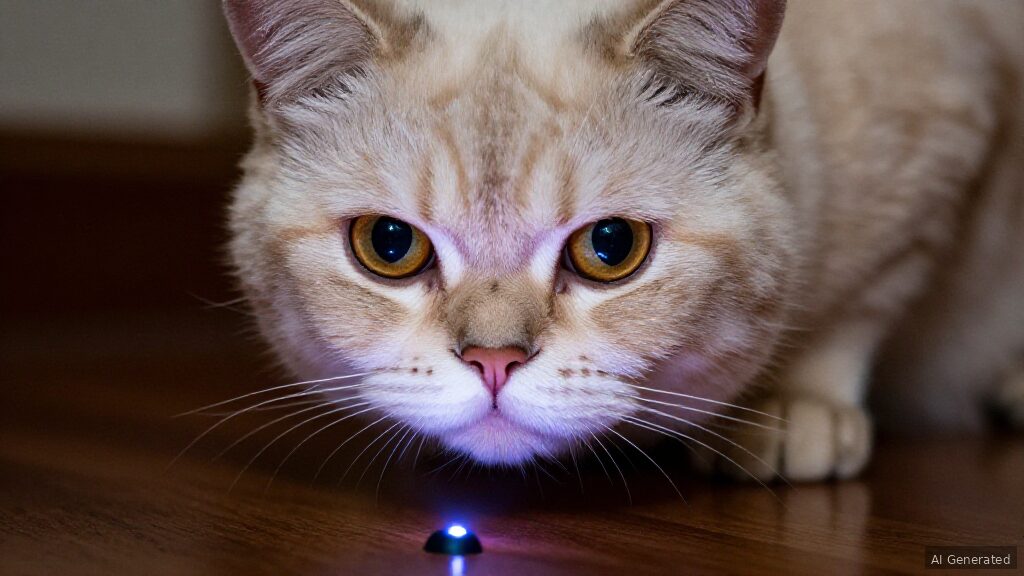
Comparison of Effects by Toy Type and Selection Guide
There are countless cat toys on the market, but not all satisfy a cat’s hunting instincts. It is important to choose the right toy based on the cat’s personality and the guardian’s situation. Let’s compare the characteristics and effects of the three most representative types: wand toys, ball toys, and interactive toys.
| Toy Type | Primary Effects | Recommended For | Precautions |
|---|---|---|---|
| Wand Toy | Perfectly replicates all stages of hunting (stalking, jumping, catching) and is optimal for enhancing interaction with the guardian. Encourages vertical and horizontal jumping for a full-body workout. | All ages, especially cats with strong hunting instincts | Must be put away after use; do not leave unattended as there is a risk of chewing and swallowing strings or feathers. |
| Ball Toys | Develops running speed through chasing activities. Placing treats inside the ball stimulates curiosity and is effective for solo play. | Active personalities, cats that enjoy playing alone | Small balls pose a choking hazard; choose a size appropriate for the cat’s mouth. |
| Interactive Toys | Encourages hunting behavior when the guardian is absent. Unpredictable movements stimulate hunting instincts and prevent boredom. | Guardians who work often, cats left alone for long periods | Must change the toy’s location or type periodically to prevent the cat from losing interest. |
Wand toys are the most effective because, similar to the process of showing feeding activities like ‘Hogwang-i’s snack time,’ the guardian can directly control the movement to capture the cat’s attention and create unpredictable motions. On the other hand, ball toys are useful for cats to exercise by pushing the ball themselves, while interactive toys provide continuous stimulation during the guardian’s absence. The secret to maintaining a cat’s interest long-term is to alternate between these three types or combine them according to the situation.
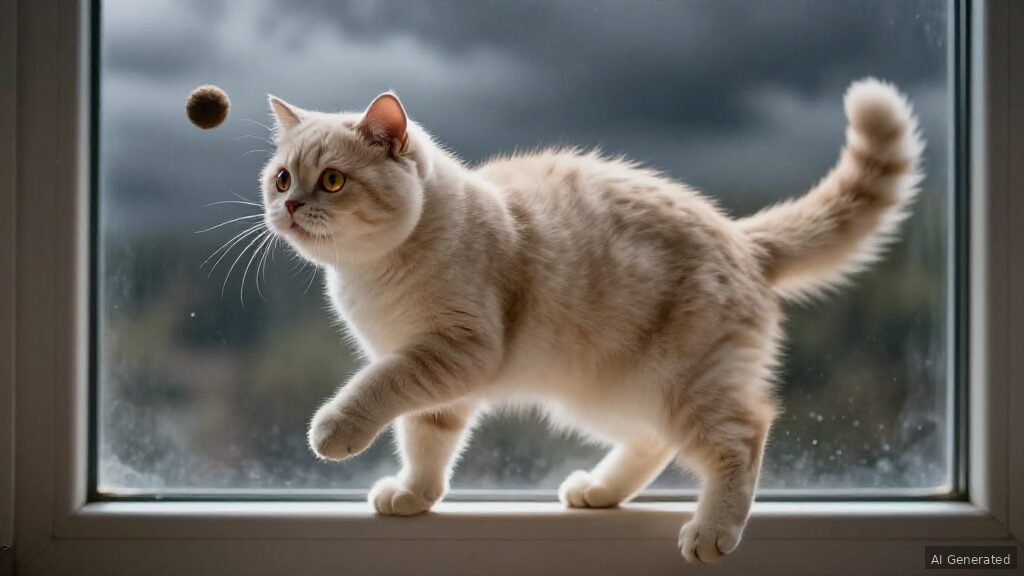
Optimal Daily Play Time and Schedule Design
Designing playtime to match a cat’s biological rhythm is key to maximizing the effectiveness of play. Cats are nocturnal or crepuscular animals, most active just before sunset and just before sunrise. Therefore, aim for a total daily playtime of 15 to 20 minutes or more, but instead of doing it all at once, it is better to break it down into several short sessions.
Morning Routine: Energy Release and Breakfast Connection
If your cat wakes you up immediately in the morning demanding play, this is the natural sequence of hunting followed by finding food. After 10 to 15 minutes of active play in the morning, offer a treat or food. This completes the natural rhythm of hunt-eat-groom-sleep. Morning play helps start the day energetically and allows the cat to rest stably during the day.
Evening Routine: Utilizing the Peak of Hunting Instincts
The evening is when cats are most active. Have a focused play session of 15 to 20 minutes after returning from work or before dinner. At this time, it is best to use a wand toy and ensure there is enough space for the cat to jump and run. After play ends, the cat recognizes the hunt as successful, feels satisfied, and is likely to groom or fall asleep immediately. This is also effective in reducing nocturnal activities (running around at night) that disturb the guardian’s sleep.
Lunch and Afternoon: Providing Short Stimulation
When the guardian is at work or the cat is alone, it is good to provide short stimulation using interactive toys or treat puzzles. Operate an automatic toy for about 5 to 10 minutes or engage in activities where the cat has to find hidden treats to ensure the cat doesn’t feel bored during the day. However, dedicating too much time to play can cause stress, so adjust based on the cat’s reaction.
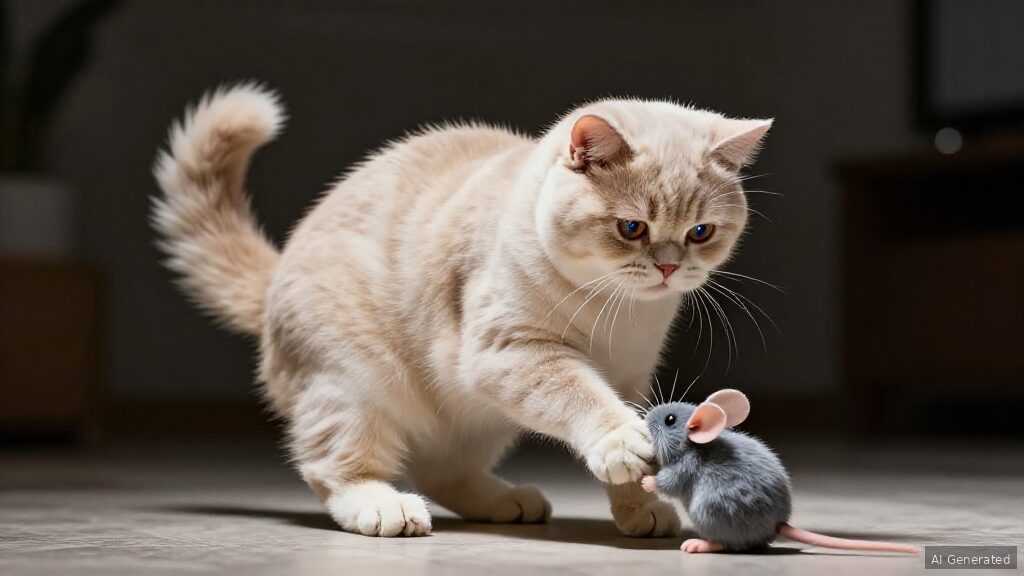
Playing Alone vs. Playing Together: Recommended Strategies by Situation
Depending on the cat’s personality and the guardian’s situation, you must appropriately balance solo playtime and interactive playtime. Both methods have different purposes and effects, and using them in balance is necessary to ensure the cat’s psychological stability.
Playing Together: Strengthening Bonds and Learning Hunting Skills
Playing with the guardian is an important time to strengthen the bond and teach proper hunting skills. When using a wand toy, adjust the movement to follow the cat’s gaze, and create tension by pausing and moving again when the cat is about to catch it. This allows the cat to feel the thrill of the hunt and perceive the guardian as a hunting partner. Especially for kittens, playing with the guardian helps them learn social interaction methods, so it is recommended to play together at least once a day.
Playing Alone: Cultivating Independence and Regulating Energy
When the guardian is busy or the cat wants to play on its own, solo toys are essential. Automatic toys with bouncing balls or puzzle toys that require extracting treats allow the cat to solve problems and expend energy independently. This helps lower the cat’s excessive dependence on the guardian and fosters an independent personality. Additionally, it is important to rotate various toys so the cat does not feel bored even when the guardian is away.
Recommended Combinations by Situation
- Kittens: 70% Interactive Play + 30% Solo Play (Social development and energy expenditure are important)
- Adult Cats: 50% Interactive Play + 50% Solo Play (Balance between bonding and independence is needed)
- Senior Cats: 60% Interactive Play + 40% Solo Play (Focus on gentle interaction to protect joints)
How to Use DIY Toys Made Easily at Home
Even without expensive toys, you can easily make toys your cat loves using recycled materials found at home. DIY toys contain the guardian’s effort, which can make the cat more interested, and you can create various types without financial burden.
Building a Castle with Cardboard Boxes
Cardboard boxes left over from deliveries can become the ultimate playground for cats. Punch several round holes in the sides of the box or cut the box to create a complex maze structure, making it suitable for the cat to hide inside and play by rolling balls. Cardboard also serves as a scratching post, providing a two-in-one effect. Placing small balls or paper inside the box stimulates the cat’s hunting instincts as they explore with curiosity.
Making a Simple Wand with Feathers and String
Tie a string to a thin stick or straw and attach a feather or a small piece of cloth to the end to create an excellent wand toy. At this time, make the string long enough for the cat to jump comfortably, and choose feathers that are light and soft. When the guardian moves the stick to make the feathers flutter, the cat experiences something similar to chasing real birds or insects. However, ensure the string is not too long to avoid tangling or the cat biting and swallowing it; always put it away in a safe place after play.
Tissue Packs and Treat Puzzles
Punch holes in a tissue pack or toilet paper roll and place treats inside to create a puzzle toy that the cat must push with its paws or bite to extract the treats. This stimulates the cat’s cognitive abilities and cultivates patience while waiting for the reward after a successful hunt. By adjusting the amount of treats so the cat cannot get them too easily, you can maintain the tension of the hunt.
Dealing with Disinterested Cats and Motivation Strategies
Sometimes, a cat may show no interest in toys or refuse to play. This could be due to health issues, stress, or a loss of interest in the toys. In such cases, you can reignite the cat’s interest using the following strategies.
Check Health Status
The first thing to check is the cat’s health status. Physical pain from arthritis, toothache, or eye conditions can cause a cat to refuse play. Especially for senior cats, who often avoid play due to pain when moving, it is advisable to get a diagnosis from a veterinarian.
Variety and Freshness of Toys
Cats are curious about new things, but they quickly lose interest if exposed to the same toy for too long. Use a ‘toy rotation’ strategy where you keep only 2 or 3 toys out and hide the rest, swapping them periodically. Additionally, rubbing a cloth with cat scent or applying pheromone spray to the toys can attract the cat’s attention.
Understand the Cat’s Hunting Style
Not all cats enjoy play in the same way. Some cats love jumping, while others prefer pushing things on the ground. Observe what behaviors the cat usually likes and choose toys accordingly. For example, provide hiding toys for cats that like to hide, and fast-moving toys for cats that enjoy chasing prey.
Increase Guardian Participation
Cats are more interested when the guardian plays with them. It is important not just to wave the toy, but to move it at the cat’s eye level and adjust the play intensity based on the cat’s reaction. Additionally, using positive reinforcement strategies, such as praising the cat with “Good job” and giving treats when they catch the toy during play, can further increase motivation.
Play Differences by Age: Customized Guide for Kittens, Adults, and Seniors
Since a cat’s physical development and energy levels vary by age, you must apply a play method suitable for their stage. Let’s look at the characteristics and recommended play methods for each age group.
Kitten (0~1 year): Excess Energy and Social Learning
Kittens have infinite energy and are in the most important stage for learning hunting skills. You must expend their energy by providing active play several times a day, even if briefly. At this time, use various toys that allow jumping, running, and leaping. Also, through play with other cats or people, they should learn to control aggression and understand social rules. Playing directly with your hands can cause the cat to perceive hands and feet as targets, so always use toys.
Adult Cat (1~7 years): Balanced Exercise and Bonding
Adult cats are in their most physically healthy and active period. Manage weight and promote psychological stability through a regular play routine. Hunting simulations using wand toys are most effective, and it is recommended to play for more than 15 minutes at least twice a day. During this period, adjust the play intensity according to the cat’s temperament, focusing on interactions that strengthen the bond with the guardian.
Senior Cat (7 years and older): Joint Protection and Gentle Exercise
Senior cats may find excessive exercise burdensome due to arthritis or muscle loss. During this period, it is better to use toys that move gently rather than jumping or sudden changes in direction. Use balls pushed on the floor or slowly moving automatic toys to maintain activity levels, but be careful not to strain the joints. Also, since senior cats may have shorter play sessions, it is important to be considerate and allow them to rest immediately if they show signs of fatigue.
Creating a Safe Play Environment and the Role of PlayCat Wooden Structures
An environment where cats can play safely is a crucial factor determining the quality of play. In spaces with slippery floors or dangerous objects, cats are at risk of injury, so the play space must be properly arranged. In particular, securing vertical space is essential for satisfying a cat’s hunting instincts and releasing energy.
Utilizing Vertical Space and PlayCat Wooden Structures
Cats enjoy looking down from above and love the behavior of jumping down from high places to attack prey. At this time, PlayCat’s wooden structures play a major role in improving the play environment by providing cats with stable vertical space. The natural texture and sturdiness of wood give cats a sense of security when jumping or grooming. Additionally, wooden furniture blends naturally with indoor decor, providing a pleasant space not only for cats but also for guardians.
PlayCat’s structures feature various heights and platforms, creating different corners where cats can play hunting games or rest. For example, they can enjoy games like jumping down from a high platform to catch a ball, or playing hide-and-seek by moving between structures. These structures increase the cat’s space utilization and help increase exercise volume by exploring every corner of the house.
Removing Hazards and Safety Rules
- Anti-slip: Place rugs or mats on the play floor to prevent slipping.
- Remove Hazardous Materials: Remove toy strings, small parts, or objects the cat could swallow from the play area.
- Safe Heights: Adjust the distance between the jumping platform and the landing spot appropriately so the cat doesn’t get hurt when jumping down from high places.
- Ventilation and Lighting: The play area should be well-ventilated and have adequate lighting so the cat can move comfortably.
Frequently Asked Questions (FAQ)
1. How much should I play with my cat every day?
It depends on the cat’s age and activity level, but for adult cats, aim for a total of 15 to 20 minutes or more per day. Instead of doing it all at once, it is more effective to play for short periods 2 to 3 times a day, such as in the morning and evening. Kittens have more energy, so play with them more frequently, while senior cats have less activity, so shorter play sessions are better.
2. It seems my cat dislikes the toys. What should I do?
If your cat dislikes the toys, try changing the type of toy or participate more actively. You can rub a cloth with cat scent on the toy or hide treats inside to stimulate interest. Also, check if the toy suits the cat’s temperament; for example, provide toys that move high up for cats that love to jump.
3. What should I do if my cat bites or scratches during play?
Never allow attacking hands or feet during play. Immediately stop the play, firmly say “No,” and resume playing using a toy. Playing with hands can make the cat perceive hands as prey and increase aggression, so always use toys.
4. What toys are good for cats that are alone for long periods?
For cats left alone for long periods, automatic toys or treat puzzle toys are good. Automatic toys with unpredictable movements encourage the cat to chase prey alone, while treat puzzles alleviate boredom and stimulate cognitive abilities. It is also effective to prepare several toys and rotate them.
5. Do senior cats also need to play actively?
Senior cats also need play, but it should be gentle considering joint health. Instead of jumping or sudden movements, use balls pushed on the floor or slowly moving toys. It is important to keep play sessions short and be considerate, allowing the cat to rest immediately if they show signs of fatigue.
Playing with your cat is an important activity that goes beyond just passing time; it protects the cat’s health and happiness. Create a joyful hunting time with your cat by using proper play methods, appropriate toys, and a safe environment. If you create a richer and safer play space using PlayCat’s wooden structures, both the cat and the guardian will achieve satisfactory results.
This content was created using AI technology. Always consult a veterinarian regarding medical information.